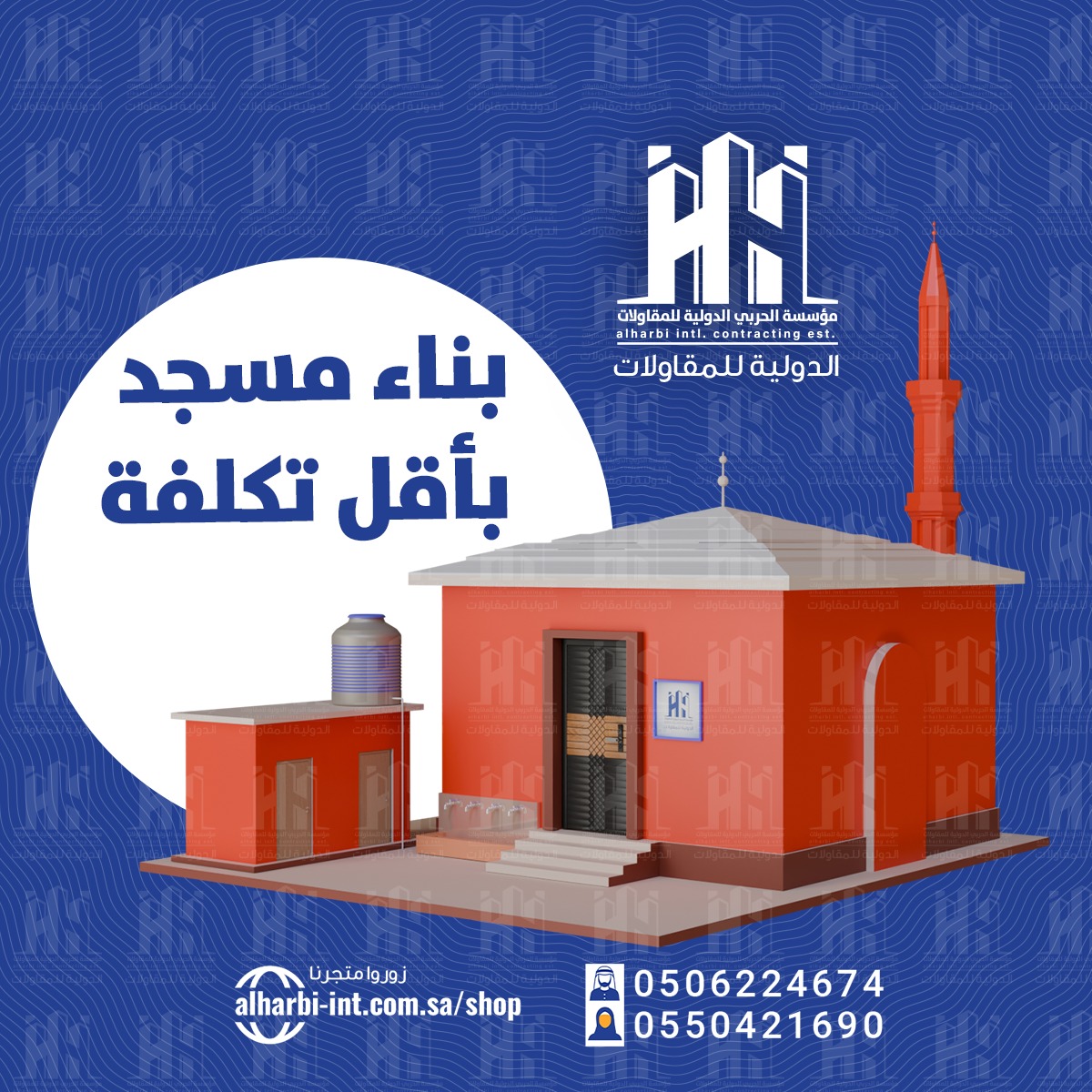
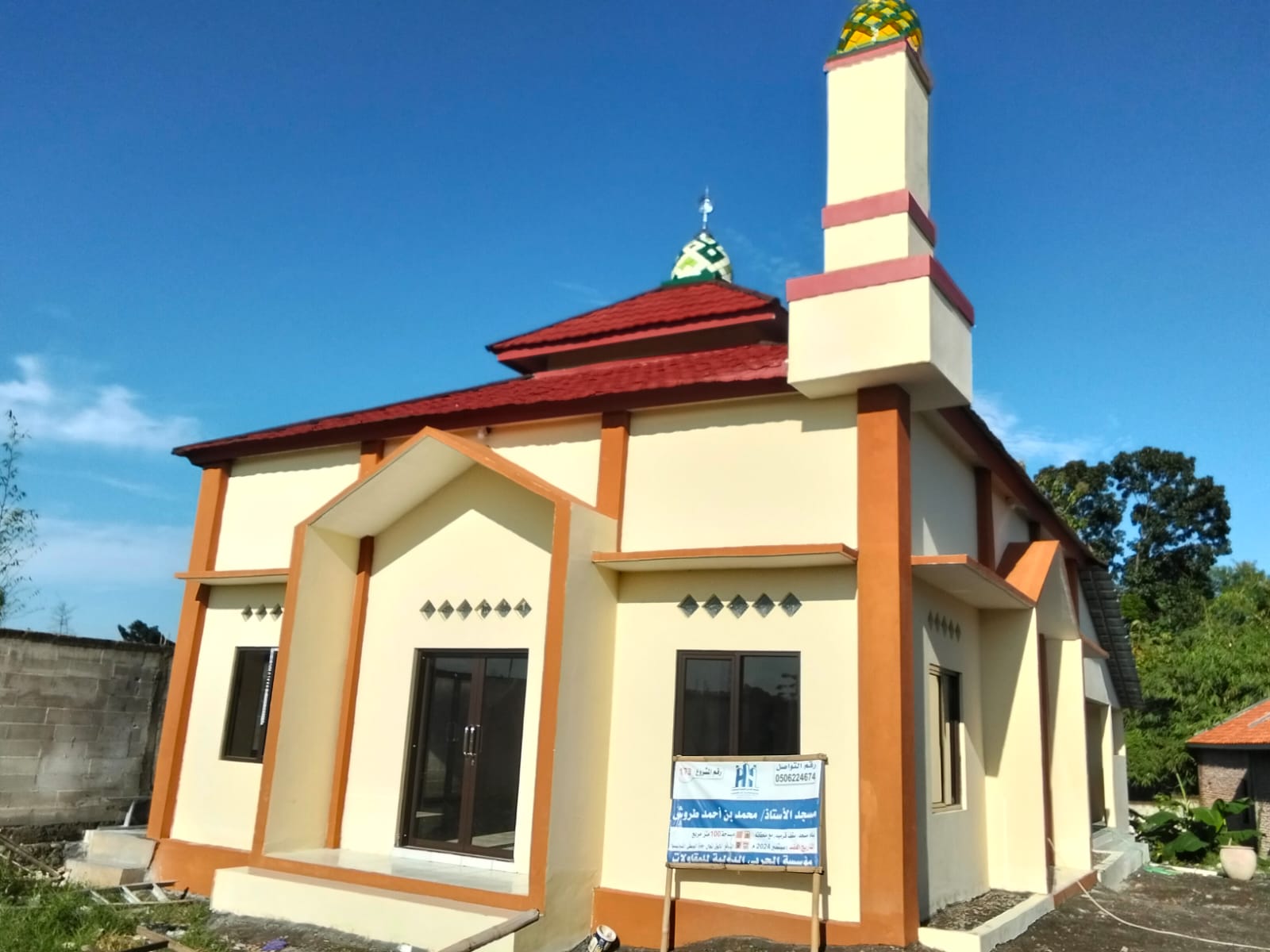
مسجد مكتمل البناء في منطقة ريفية

Building Mosques in Remote Areas: Key Challenges and Effective Solutions

The construction of mosques in remote areas is one of the important projects that contribute to serving local communities and promoting social and cultural stability. In many remote areas of Africa and Asia, the role of the mosque is not limited to being a place of worship; it extends to serving as a hub that brings community members together and provides a space for education, social interaction, and the promotion of shared values.

Despite the great importance of these projects, building mosques in remote areas poses many challenges related to location, infrastructure, and environmental conditions. Nevertheless, sound planning and the use of appropriate engineering solutions help ensure the implementation of successful and sustainable projects that will meet the needs of local communities for many years to come.


Mosques play a central role in the lives of communities, especially in remote areas that may lack certain basic services. Mosques contribute to:

  • Providing a suitable place for worship and meetings.
  • Support for educational and cultural activities.
  • Strengthening social cohesion among the population.
  • Providing space for various community programs.

For this reason, building mosques in remote areas has become an important part of sustainable community development projects.
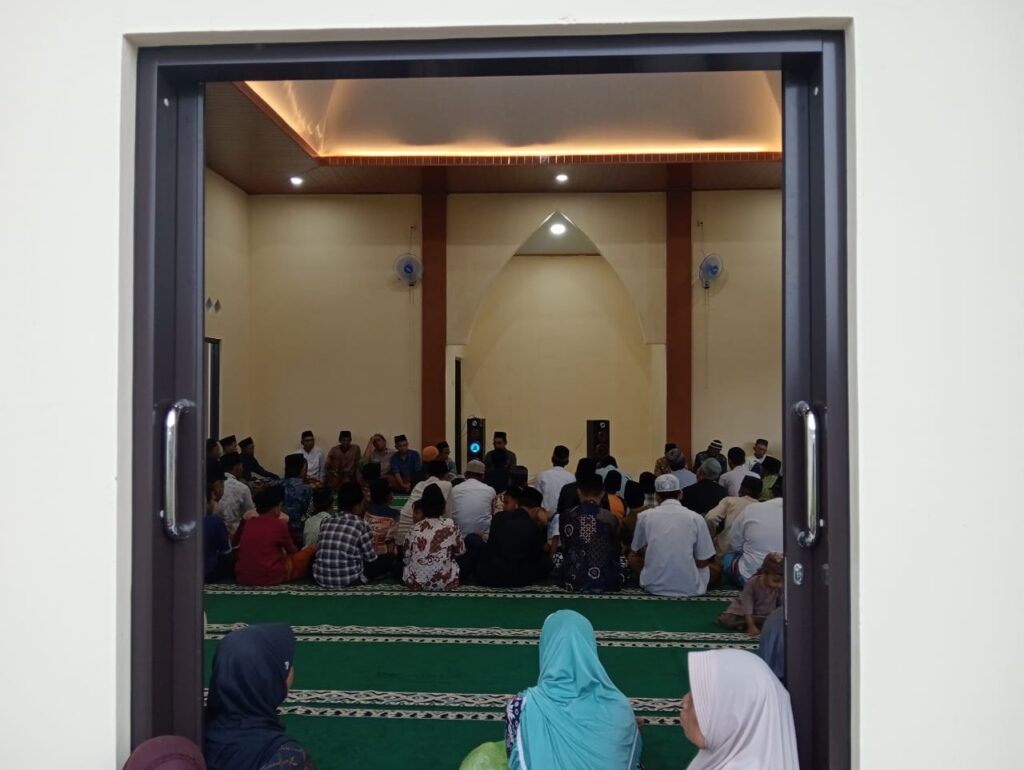

A project to build a mosque in a remote area to serve the local community

1. Difficulty accessing construction sites

There are many remote areas that are difficult to reach due to poor roads or their distance from major cities, which complicates transportation and supply operations.

These challenges may affect:

  • Transportation of construction materials.
  • Arrival of heavy equipment.
  • Work teams move between sites.

2. Various climatic conditions

Some areas face severe weather conditions, such as heavy rain or high temperatures, which may affect the progress of work during project implementation.

Therefore, climatic factors must be taken into account when planning the construction of mosques in remote areas to ensure the quality of construction and the project’s sustainability.


3. Limited local resources

In some areas, it may be difficult to obtain the necessary construction materials or equipment, which means they must be transported from other areas, thereby increasing costs and logistical efforts.


4. Differences in Soil Characteristics

Soil studies play an important role in the success of any construction project. Variations in soil conditions may require special engineering designs to ensure the long-term safety of the building.

For this reason, field studies are considered an essential step before beginning construction of mosques in remote areas.


5. Infrastructure Challenges

Some areas may lack basic services such as electricity or water systems, which requires the provision of appropriate solutions to ensure the mosque operates efficiently.


Project Planning

Good planning is one of the most important factors in the success of construction projects, as it helps to:

  • Identify the site’s actual needs.
  • Accurately estimate costs.
  • Develop an appropriate timeline for implementation.

Advance planning reduces risks and increases the chances of success in building mosques in remote areas.


Conducting Field Studies

Technical and engineering studies help to:

  • Soil Analysis.
  • Site Evaluation.
  • Identify the best implementation methods.

It also helps in selecting appropriate solutions that ensure the project’s sustainability.


Use of Appropriate Building Materials

It is preferable to choose materials that can withstand various weather conditions and ensure a long service life for the building.

Selecting the right materials is a key factor in the success of mosque construction projects in remote areas.


Leveraging Modern Technologies

Modern technologies have become a major factor in improving the quality of projects, including:

  • Engineering design software.
  • Field Survey Techniques.
  • Project Management Systems.
  • Modern construction equipment.

Providing Sustainable Solutions

In some remote areas, additional solutions are used, such as:

  • Solar Energy Systems.
  • Water tanks.
  • Energy-efficient lighting systems.

These solutions help ensure the efficient operation of the mosque, even in locations far from basic services.


The project implementation process goes through several key stages:

1. Site Study

The site is assessed, the soil conditions are analyzed, and the technical requirements are determined.

2. Design Preparation

Architectural plans are designed to meet the community’s needs and fit within the available space.

3. Construction Work

This includes foundation work, the main structure, and various finishing touches.

4. Final Preparations

The mosque is being equipped with basic amenities and prepared for use.
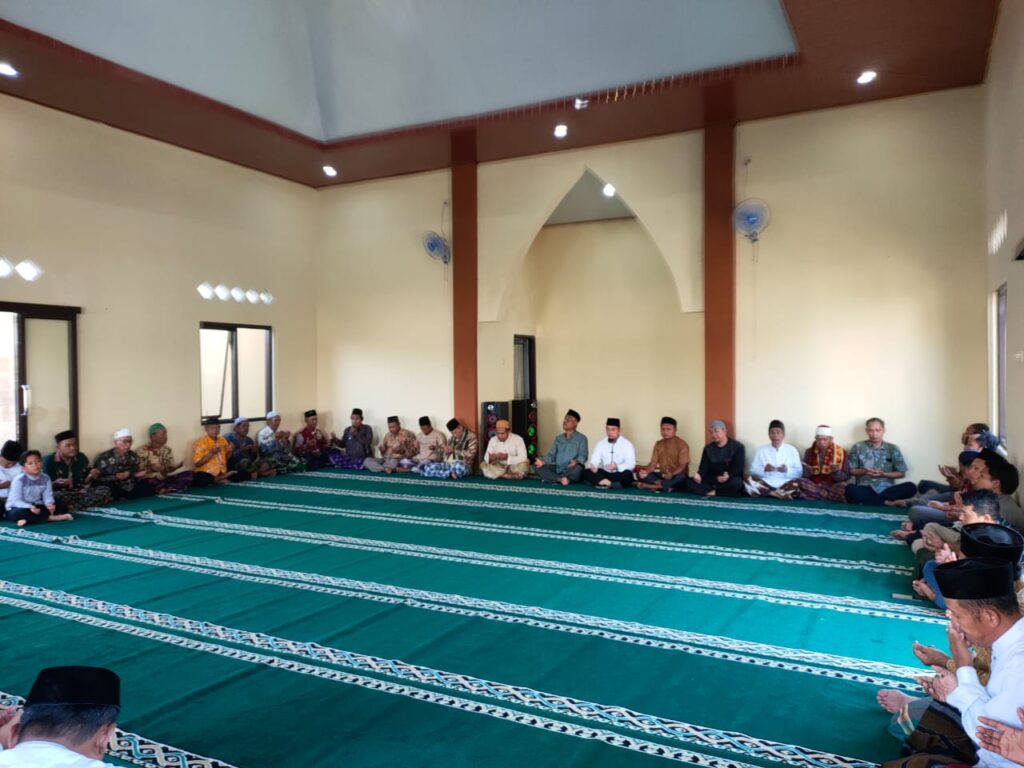

The quality of construction projects depends largely on the expertise of the contractor, as this expertise contributes to:

  • Dealing with challenges in the field.
  • Selecting the appropriate solutions.
  • Execute the project in accordance with the highest standards.

Therefore, choosing an organization with experience in building mosques in remote areas helps achieve better results and ensure the project’s sustainability.


With the continuous advancement of construction technologies and transportation methods, mosque construction projects have become more efficient and better able to reach remote areas.

Modern solutions also contribute to:

  • Reduce operating costs.
  • Improving the quality of implementation.
  • Improving the sustainability of buildings.

Mosque construction projects in remote areas are expected to continue to play an important role in serving communities and promoting development in various regions.


Despite the challenges involved in building mosques in remote areas,sound planning, engineering expertise, and the use of modern solutions contribute to the successful completion of projects that serve communities for many years to come.

By paying attention to site analysis, selecting appropriate materials, and providing essential services, it is possible to build sustainable mosques that play an important role in supporting local communities and enhancing quality of life.

Contact us now for detailed information and a competitive quote for your project.

Building a mosque at the lowest cost in Africa 2026

Building a mosque at the lowest cost in Africa presented:

Implementing religious and community facilities (such as mosques) on the African continent is an engineering and logistical challenge that requires deep expertise in resource management. Financiers and clients are always looking for the lowest possible construction cost without compromising on structural durability and lifespan of the building. With the economic outlook for 2026 and rising freight and material costs, cost optimization in construction contracting is imperative.

This article provides a comprehensive analytical guide to 5 key strategies for reducing costs and achieving the construction of a mosque at the lowest possible cost, while adhering to engineering quality standards, from the perspective of the International Contracting Corporation (Al Harbi Contracting ), which specializes in projects in Africa and Asia.

I: Cost rationalization concepts in development contracting

Going low-cost doesn’t mean poor quality, it means efficient use of resources and value engineering.

1. Target keywords:

  • Religious Construction Contracting
  • Lowest Implementation Cost in Africa 2026
  • Analyzing the cost of building a mosque

2. Criteria for a successful economic project:

  • Structural Focus: Directing the majority of the budget toward foundations and load-bearing walls to ensure the building’s durability for decades, and minimizing spending on decorative details.
  • Life-Cycle Cost Optimization: The goal is to deliver a building whose future maintenance cost is the lowest, making it more economically efficient for the owner.
  • Local Sourcing: Using materials that are available on-site to minimize logistics and international shipping costs.

II: 5 engineering strategies to cut construction costs in 2026

Al Harbi Contracting adopts a rigorous engineering methodology to reduce costs across these axes:

Strategy 1: Simplified and standardized architectural design

Complex designs (large domes, knots, curves) increase the cost of implementation for several reasons:

  • Increased Man-Hours: Requires specialized labor and more time to execute molds and wrenches.
  • Waste of material: Non-right angles increase the loss of cut material.
  • Engineering solution: Use rectangular or square designs with simple flat or pitched roofs, which minimizes material loss and speeds up the construction process.

Strategy 2: Optimize the use of cheap local materials

To achieve the lowest implementation cost, local materials must be efficiently integrated into the structure:

  • Regional brick: The use of locally made bricks or blocks (fired clay bricks) significantly reduces the costs of transporting cement and reinforced concrete to remote construction sites.
  • Alternatives to concrete roofs: In many African and Asian regions, lightweight metal structures or insulated panels (zinc) can be used as an alternative to a heavy and expensive concrete roof, while ensuring that thermal insulation is addressed.
  • Local specialized labor: Relying on teams from the target region reduces the accommodation and transportation costs for outside labor, lowering the value of contracts.

Strategy 3: Vertical integration of infrastructure facilities

To achieve efficiency in facility construction contracting, ancillary facilities (such as wells and restrooms) should be treated as integrated units with the main project:

  • Reduced logistics costs: The transportation of heavy equipment (well drilling machines, construction equipment) is consolidated into a single schedule, significantly saving on separate transportation costs for the equipment.
  • Standardized design: Designs for water and ablution facilities should be simple and connected directly to the main facility to minimize the cost of external drainage lines and extensions.

Strategy 4: Continuous Supply Chain Audit (2026 forecast)

To maintain the lowest implementation cost in 2026, organizations must manage financial risk:

  • Bulk procurement contracts: Signing bulk purchase contracts for basic materials (rebar, cement) early to stabilize prices before they are expected to rise.
  • Review of transportation: Shift from expensive and slow road transportation in some areas to cheaper and more efficient means of transportation (if possible), or ship materials in bulk to the site.

Strategy 5: Functional rather than luxurious finishes

Finishes do not affect the durability of the building, and their cost can be significantly reduced:

  • Flooring: Replace high-cost tiles and ceramic tiles with polished concrete floors or a smooth, functional cement substrate.
  • Paints: Use functional, weather-resistant interior and exterior paints instead of fancy insulation and finishing materials.

Third: Experience and documentation as a critical element in contracts (Alharbi Contracting Corporation)

A contractor’s experience in documenting work phases and project delivery is a critical element, especially for organizations looking to build a mosque at the lowest cost with guaranteed completion.

1. Ensure professional documentation:

To enhance the transparency required in international contracts, Al Harbi Contracting provides full documentation:

  • GPS coordinates: Provides the client with location coordinates to enable geo-following.
  • Documenting the stages of completion: Record photos and videos of all stages of construction (foundations, structure, finishing) to ensure that the execution is in accordance with the agreed specifications.

2. Continuous engineering follow-up (Al-Harbi Contracting Advantage):

To emphasize the quality of the project implemented at the lowest cost, theGeneral Manager of the Foundation, Mr. Hassan Al-Harbi, ensures continuous supervision and follow-up for projects implemented in Africa and Asia, reflecting the Foundation’s responsibility for the long-term durability of the project, a rare added value in development contracting.

Engineering efficiency leads to savings

Achieving a cost-effective religious facility in Africa 2026 is the product of careful engineering planning, not indiscriminate austerity. Funding institutions should select contractors with experience in implementing the above-mentioned rationalization strategies, while ensuring full transparency in documentation.

With experience in Jeddah and workplaces in Africa and Asia, Al Harbi Contracting offers engineering contract models that ensure the highest possible cost efficiency for its clients. Contact us to review engineering costs for your next project.

Masajed Construction in Africa

Building Masajed in Africa serves as a reflection of cultural diversity and communal identity for Muslim communities. These structures integrate local materials and architectural styles while fulfilling spiritual, educational, and social roles. The construction process requires careful planning, community involvement, and financial planning, thereby fostering long-term growth and unity within the community.

Building Masajed in Asia: Social Significance

Building Masajed in Asia is significant for cultural, religious, and social unity. These structures serve as community hubs, blending local architecture with Islamic artistry. The construction involves teamwork, fundraising, and adherence to regulations. They enhance social ties, education, and welfare, while also granting spiritual rewards to contributors, fostering a compassionate society.

Search for products

Back to Top
Product has been added to your cart
Compare (0)