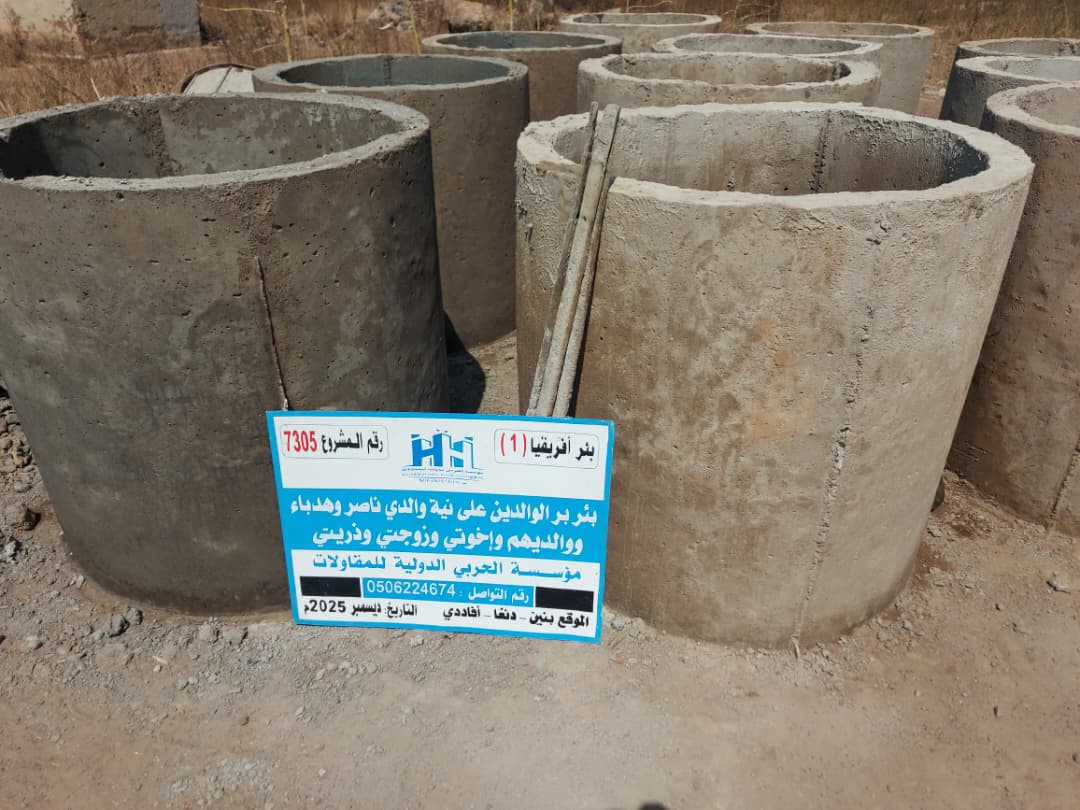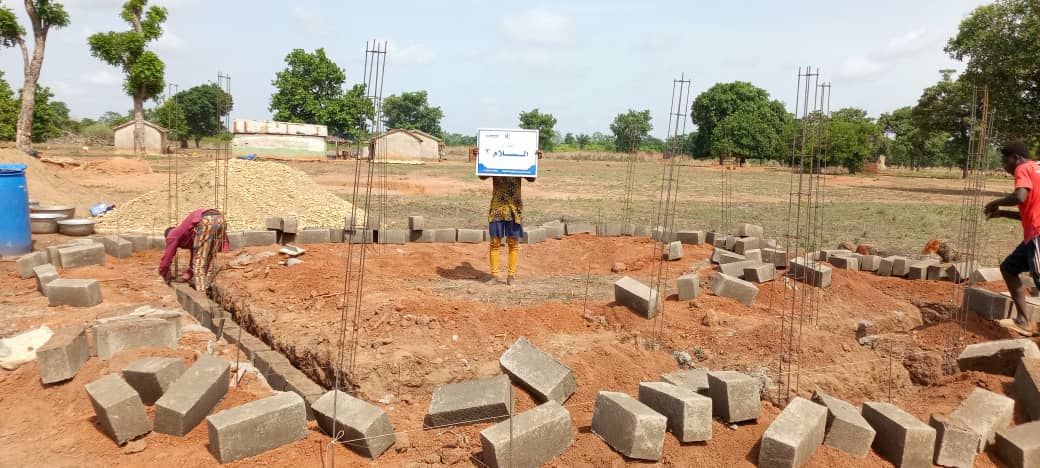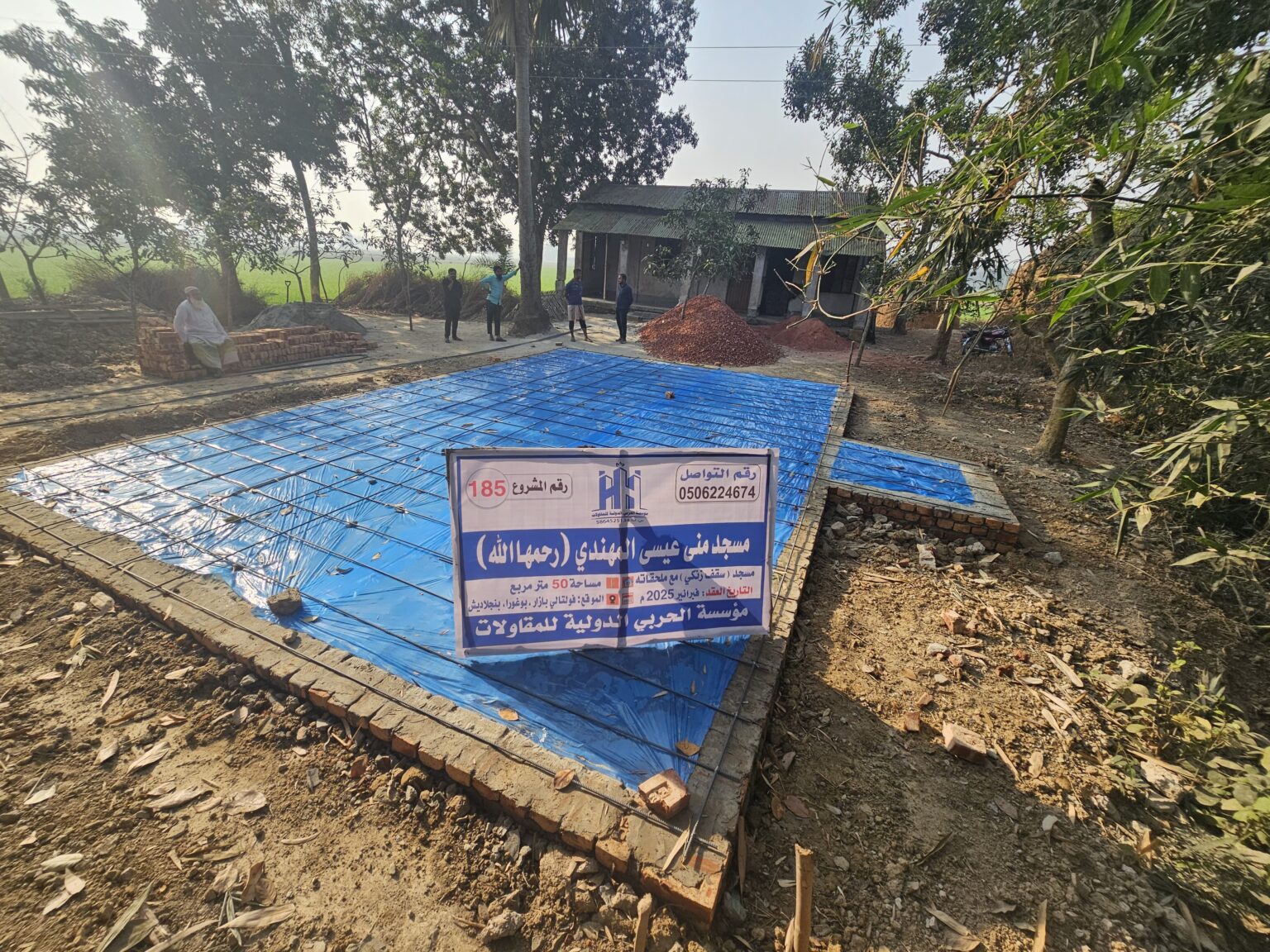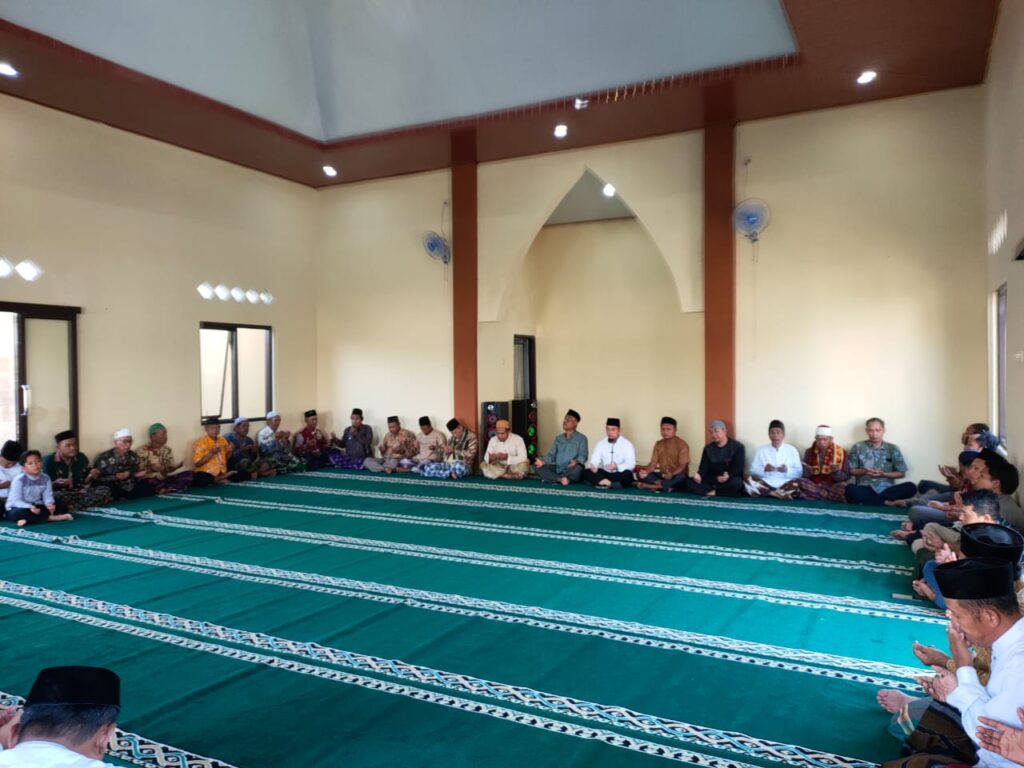
May Allah accept good deeds from us and you
FLASH SALE: International Contracting Company Discounts

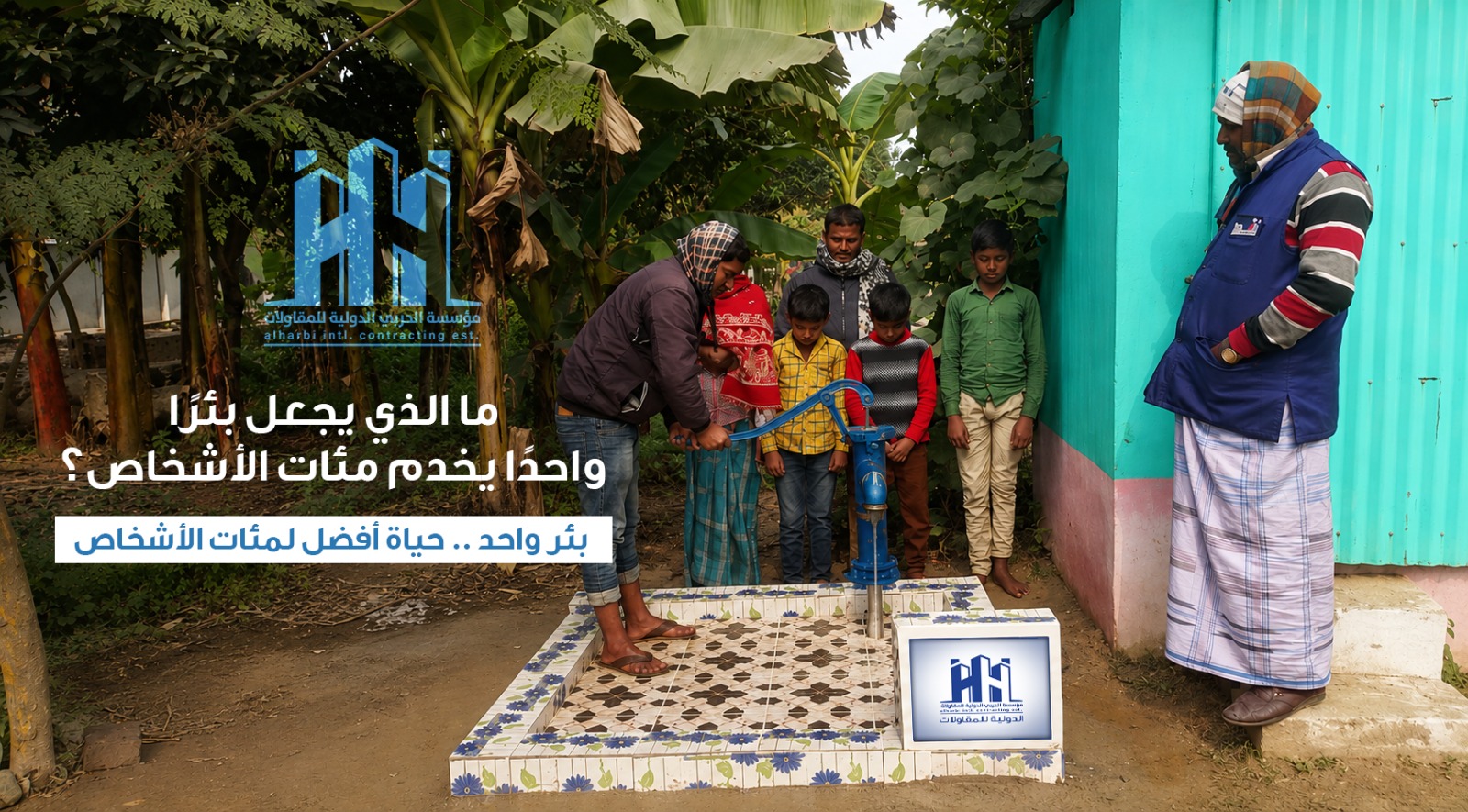
How does one water well help change the life of a village?

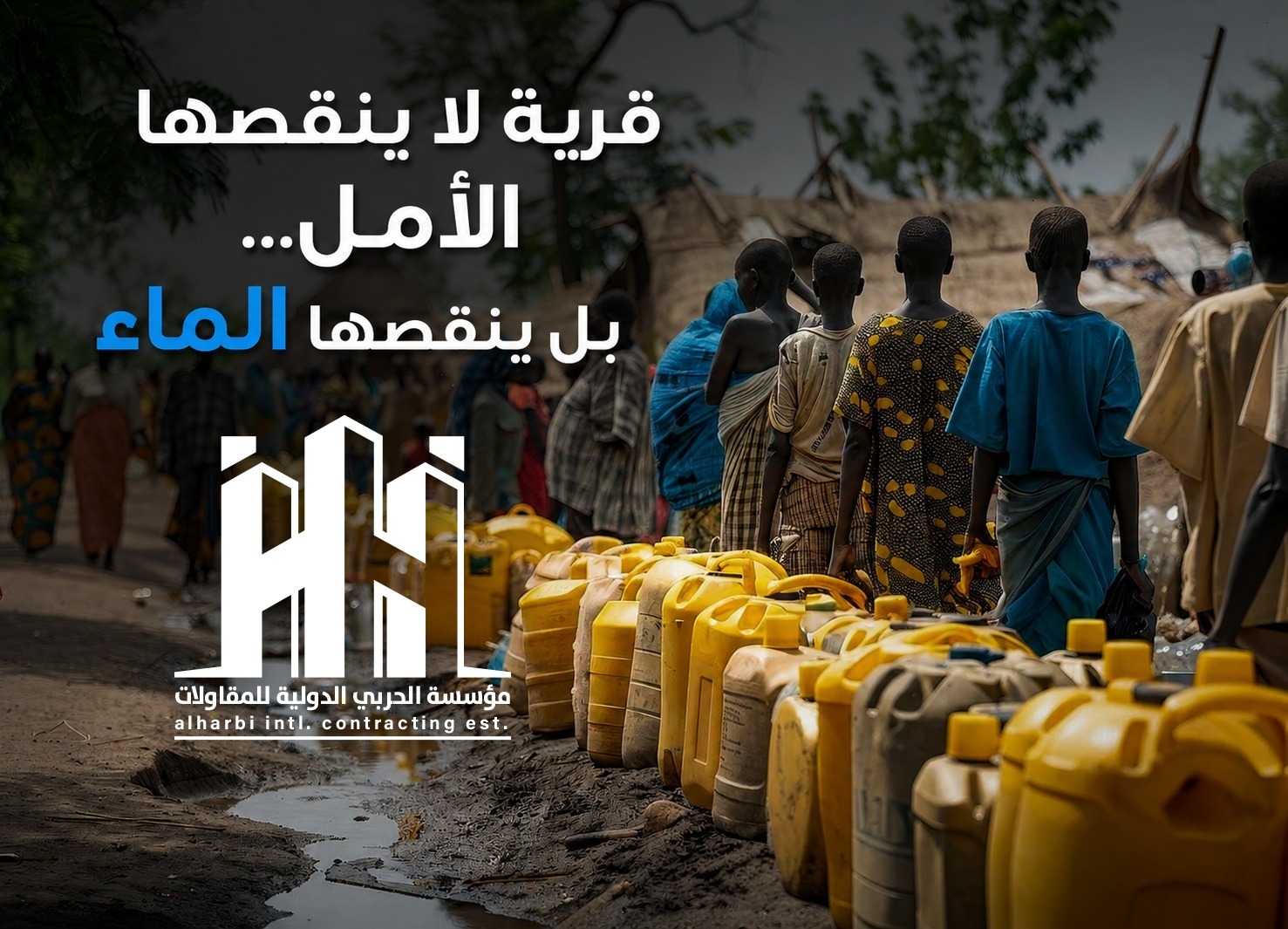
In many rural areas in Africa and Asia, clean water is still a daily challenge for residents. Some villages rely on distant or unstable water sources, making access to water a cumbersome and time-consuming process. That’s why borehole projects have become one of the most important sustainable solutions that help improve the quality of life and provide a permanent and safe source of water.

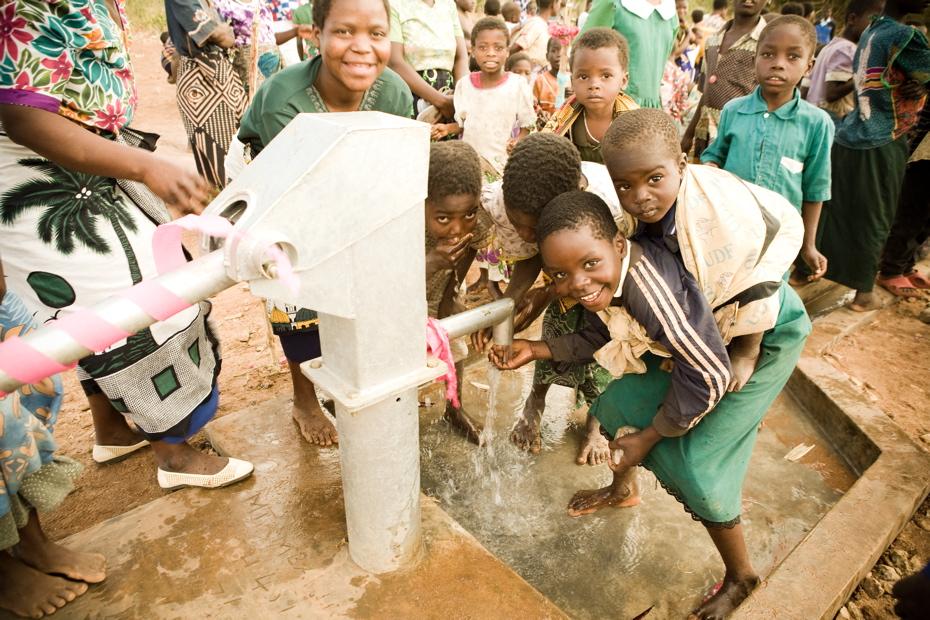
A water well project may seem simple, but it can actually bring about significant changes within a community. A single well can affect health, education, livelihood stability and even economic activities within a village.
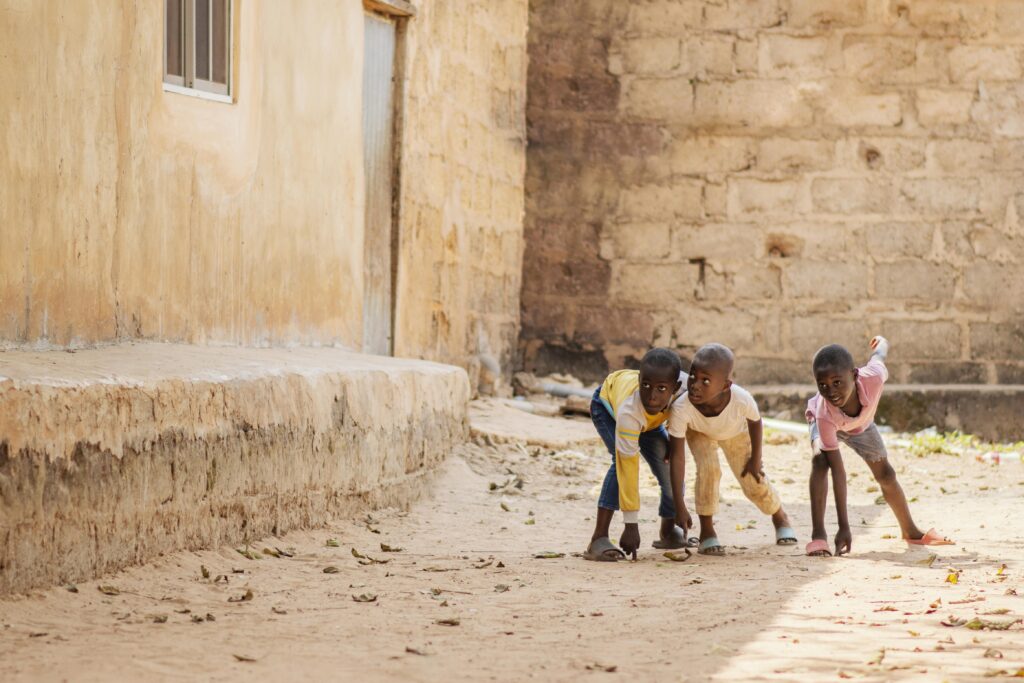
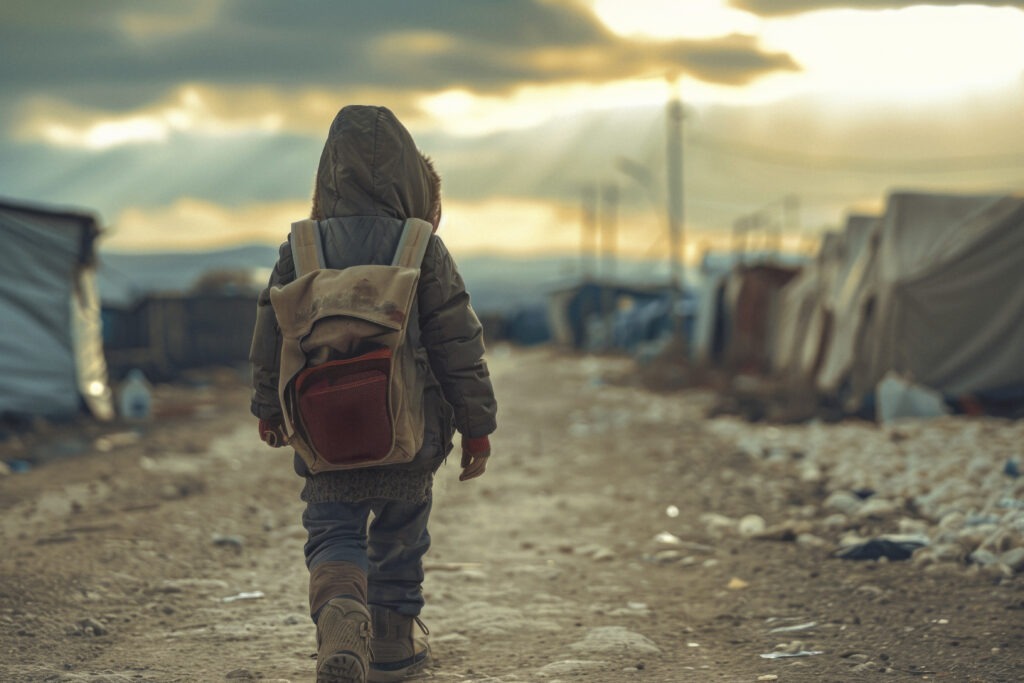
In this article, we explore how a single water well can change the future of an entire village, and why drilling a well has become one of the most important solutions in water-stressed areas.


Water is not just an everyday resource, but an essential element on which all life depends. Without access to clean water, communities face many challenges that directly affect the daily lives of residents.

In some rural areas, residents are forced to:

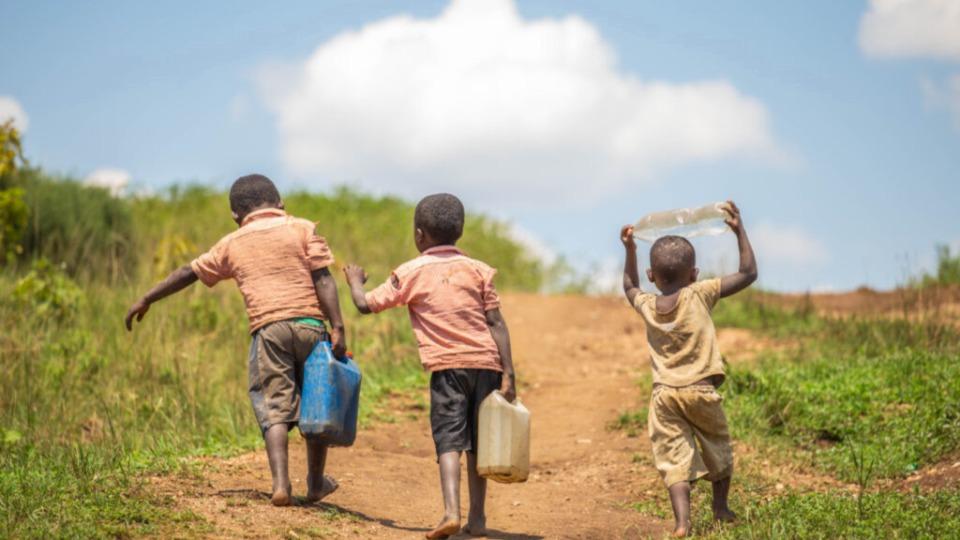
  • Walking long distances every day to get water
  • Relying on insecure sources
  • Storing water for long periods of time due to inaccessibility

All of these conditions affect the quality of life and make daily life more difficult, especially in areas far from traditional water systems.


Some villages suffer from water shortages due to several factors, including:

1. Remoteness of water sources

In some areas, the nearest water point is several kilometers away, forcing residents to spend hours a day transporting water.


2. Poor infrastructure

The lack of stable water networks makes villages rely on temporary solutions or limited sources.


3. Drought and climate change

Some countries experience prolonged droughts that affect the availability of surface water.


4. Population increase

As the population increases, so does the pressure on available water sources.


1. Provide a permanent water source

Most importantly, the well provides a stable and dependable source of water on a daily basis, minimizing the suffering of residents searching for water.

The presence of a nearby well within the village eliminates long hours of daily transportation to get water.


2. Improving the quality of daily life

When water becomes readily available, many aspects of daily life improve such as:

  • Hygiene
  • Comfort
  • Ease of performing daily activities

Access to water also becomes safer and more stable.


3. Support for education

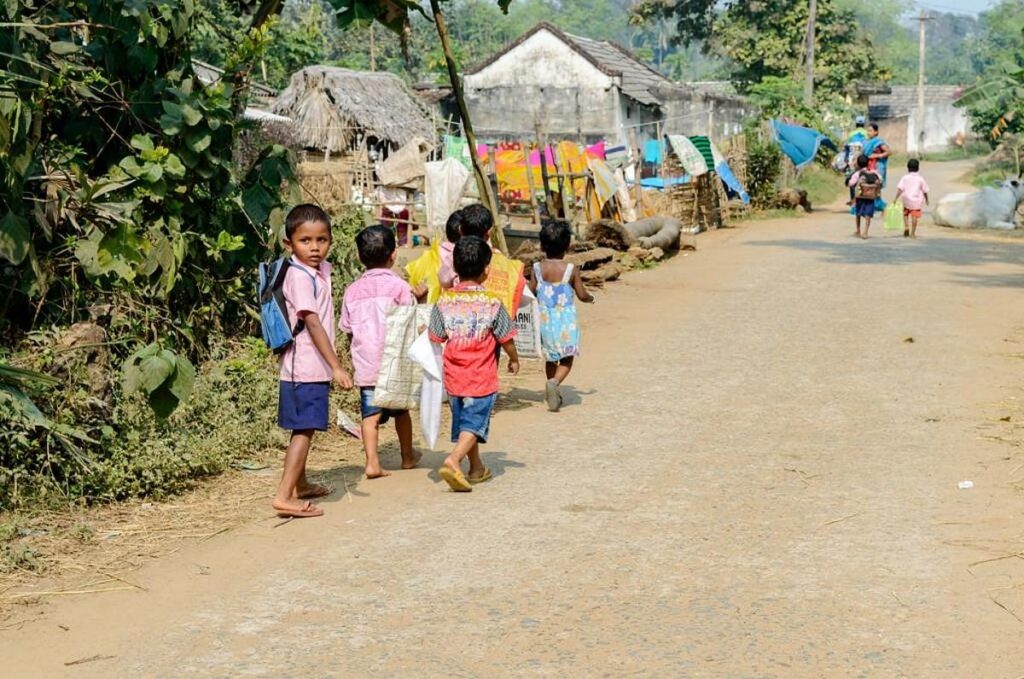
In some villages, children spend a lot of time fetching water every day, which affects their school attendance. But with the availability of a well within the village, this burden is greatly reduced.


4. Supporting agricultural activities

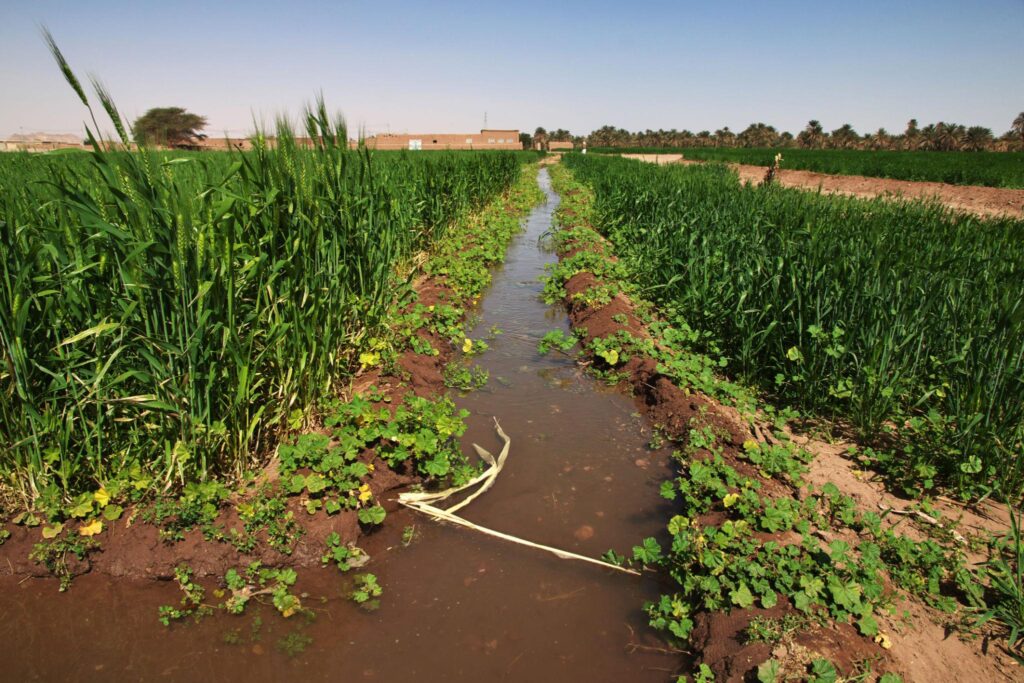
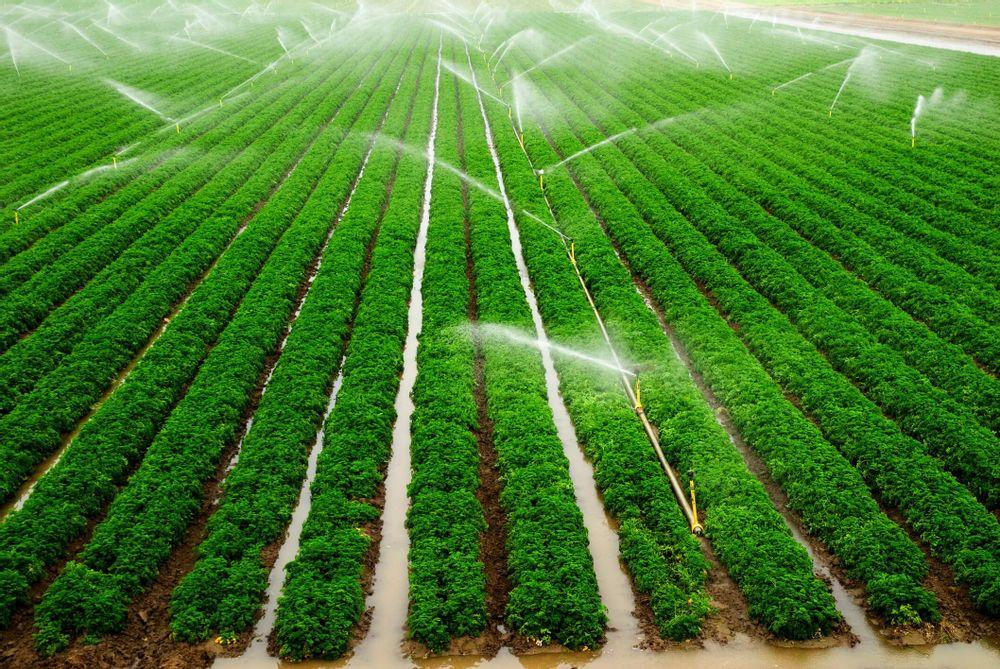
Some villages rely on simple farming and animal husbandry, so the availability of water helps support these activities and improves livelihood stability.


5. Minimize reliance on insecure sources

A water well provides a more stable source compared to some open or seasonal sources.


Studying the site

The process begins by studying the nature of the land and determining the best location to drill to access groundwater.


Selecting Drilling Equipment

The equipment used depends on:

  • The nature of the soil
  • Water depth
  • Site conditions

Using the right equipment will help the project succeed and minimize issues during implementation.


Drilling execution

Drilling is done according to a well thought out plan to reach the water in the best possible way.


Water test

After reaching the water, the quality is tested to make sure it is fit for use.


Equipping the well

This stage includes:

  • Installation of pumps
  • Preparing the operating system
  • Ensure the well is ready for continued use

1. Choosing the right location

Choosing the drilling point correctly increases the chances of reaching the water.


2. Team Experience

Having a specialized team that helps deal with different challenges during drilling.


3. Use of modern equipment

The more sophisticated the equipment, the more efficient the execution.


4. Soil study

Analyzing the nature of the ground helps minimize risks during drilling.


Well-drilling projects don’t just provide a temporary solution:

  • Providing a sustainable water source
  • Improving stability within communities
  • Supporting development in remote areas

That’s why water projects are some of the most impactful in the long run.


In a rural area of Africa, families relied on a distant and unstable water source, making daily life difficult.

After implementing a well drilling project:

  • Water is always available
  • The time it takes to get water has decreased
  • People’s daily lives have improved

This example shows how a single project can change the life of an entire community.


Water well projects are characterized by:

  • Availability of a permanent water source
  • Reduces reliance on temporary solutions
  • Helping communities stabilize
  • Works for long periods of time when executed correctly

That’s why many areas rely on borehole projects as the primary solution to water.


Before implementing the project, it is important to ensure that:

  • Company experience
  • Existence of previous projects
  • Use of modern equipment
  • Provide a clear study of the project

Choosing the right organization will help make the project successful and minimize potential issues.

Check out our projects on YouTube


As the need for clean water increases, water well projects continue to play an important role in supporting communities and improving quality of life.

New technologies are helping to:

  • Improving drilling accuracy
  • Faster access to water
  • Minimize costs and risks

A water well may seem like a simple project, but it can actually make a real difference in communities suffering from water shortages. Having a permanent and safe source of water helps improve daily life and supports stability and development in many areas.

With good planning and the right organization, a single well project can have a long-term impact on the lives of hundreds of people.

📞 Get in touch with us now for accurate details and a customized quote for your project.

Drilling a well or buying water: Which is better?

Many individuals, businesses, and organizations wonder: Is it better to drill a well or buy water on an ongoing basis? The decision depends on several factors such as long-term cost, water availability, and the nature of the use.

In many parts of Africa and Asia, access to clean water is a daily challenge, so many are looking for the most sustainable and efficient option. In this article, we compare drilling a welland buying water to help you choose the most suitable solution.


Borehole drilling is the creation of a permanent source of groundwater using specialized equipment and techniques to access clean water underground.

Water well drilling is one of the most commonly used solutions in areas where water sources are scarce.


Buying water means relying on:

  • Water tanks
  • Distribution companies
  • Water bottles

This works in some cases, but can become costly in the long run.

The cost of buying water compared to drilling a water well

1. Long-term cost

✅ Drilling a well

The cost of drilling a well may be high at first, but it’s a long-term investment that will provide water for many years.

❌ Buy water

It may seem less expensive at first, but the expenses keep recurring, making it more expensive over time.

Therefore, many prefer to drill a well as a sustainable economic solution.


✅ Drilling a well

It provides a permanent and stable water source, especially in areas where regular access to water is difficult.

❌ Buy water

Depends on continuous supply, and there may be issues with availability or price spikes.


✅ Drilling a well

Helps to:

  • Bringing clean water to communities
  • Improving overall health
  • Supporting villages and areas in need

❌ Buy water

It provides only a temporary solution and does not achieve the same long-term effect.


✅ Drilling a well

Once the digging and preparation is done, access to water becomes easier and faster.

❌ Buy water

It requires ordering water frequently and organizing transportation and storage.


✅ Drilling a well

The quality of the water can be tested to make sure it’s safe to use.

❌ Buy water

Quality depends on the supplier and their adherence to standards.


Drilling a well is the best solution in the following cases:

  • When you need a permanent water source
  • In rural or remote areas
  • For long-term philanthropic projects
  • When the cost of buying water is consistently high

Buying water may be appropriate if:

  • The need was temporary
  • Drilling cannot be carried out in the area
  • Short-term project

In one African village, families were completely dependent on buying water from far away, causing high costs and difficulty in accessing clean water.

After implementing a well drilling project:

  • Water is always available
  • Costs have dropped dramatically
  • Residents’ lives have improved significantly

When comparing drilling a well or buying water, drilling a well is often the better long-term solution, especially in areas that need a permanent and stable water source.

While buying water may be temporarily convenient, drilling a well saves:

  • greater stability
  • Less costly in the long run
  • Sustainable humanitarian impact

Whether you choose to drill a well or buy water depends on your needs and the nature of the project, but in most cases, drilling a well is the most sustainable and beneficial option.

📞 Get in touch with us now to find out the best solution for your project and get a free consultation.

مشروع بئر مياه عميق في أفريقيا وتفاصيل well drilling cost Africa

The cost of drilling a well in Africa and Asia: Prices and Factors in Detail

Many individuals and companies in Saudi Arabia are interested in knowing the cost of drilling a well in Africa and Asia, whether for charitable (charity) or investment purposes. The cost varies depending on the country, the nature of the land and the depth of the water.

In this guide, we tell you everything you need to know about the cost of drilling a well in Africa and Asia and how to choose the right organization to carry out the project with confidence.


Drilling wells in these countries is one of the most important projects because:

  • Lack of clean water sources
  • Residents rely on wells as a primary source
  • The great humanitarian impact of the project

Therefore, knowing the cost of drilling a well in Africa and Asia helps you make an important and impactful decision.

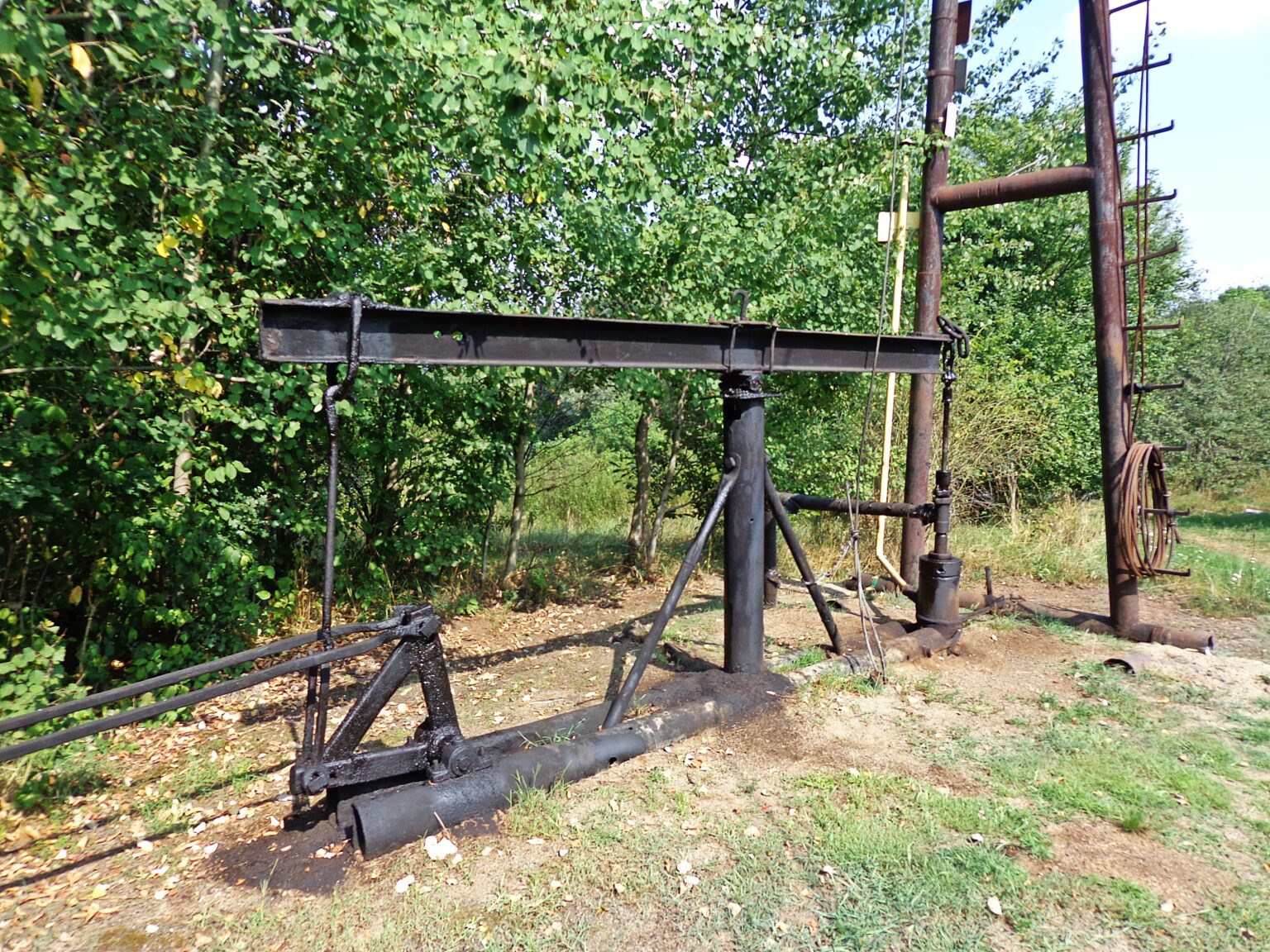
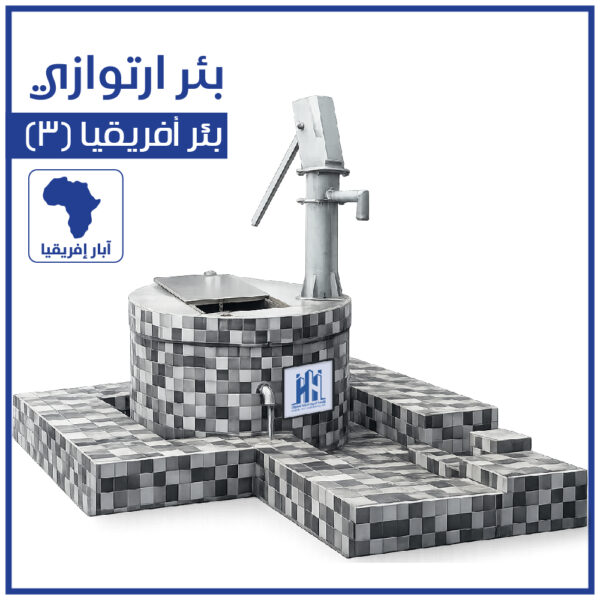
Hand pump

The cost of drilling a well in Africa and Asia varies depending on several factors, but in general:

  • In some countries the cost is relatively low
  • In other areas it rises due to the difficulty of drilling
  • Cost includes drilling + processing + pumps + operation

Therefore, the price is determined after studying each project separately.


1. Country and location

Each country has a different nature, which directly affects the cost of drilling a well in Africa and Asia.

2. Well depth

The greater the depth, the greater the cost.

3. Soil type

  • Easy soil → lower cost
  • Rocky soil → Higher cost

4. Well type

  • Manual well
  • Automatic well
  • Artesian well

Each type affects the cost of drilling a well in Africa and Asia.

5. Additional equipment

Like this:

  • Pumps
  • Tanks
  • Water purification systems

We carried out a well drilling project in a country in Africa where:

  • We encountered difficult terrain
  • Drilled to a suitable depth
  • Pure, usable water was extracted

Result:

  • Providing sustainable water for the population
  • Improving quality of life
  • Complete success of the project

A real case study


Before implementing your project, make sure to:

  • Actual experience in Africa and Asia
  • View real past projects
  • Clarity of cost and details
  • Post-implementation reporting

Choosing the right company minimizes the cost of drilling a well in Africa and Asia and ensures the success of the project.


If you’re thinking of drilling a well in Africa or Asia:

  • Choose a suitable location
  • Work with a trusted organization
  • Request reports documenting the project

In the end, the cost of drilling a well in Africa and Asia varies depending on several factors, but the most important thing is to choose the right entity to ensure the success of the project and achieve the desired impact.

📞 Get in touch with us now for accurate details and a customized quote for your project.

Extracting pure water in a difficult area: A successful case study in detail

Extracting pure water in a difficult area is one of the biggest challenges facing well drilling projects, especially in areas characterized by complex geology or an apparent scarcity of groundwater. Many clients believe that accessing water in these conditions is almost impossible, but the reality is that proper planning and the use of modern technologies can yield excellent results.

In this article, we share a real-life experience showing how we succeeded in extracting pure water in a difficult area despite the challenges, explaining the practical steps that were followed.


The goal of the project was to extract pure water in a difficult area located in a rocky terrain.

Details of the site:

  • The nature of the soil: Rocky and mixed
  • Expected water depth: Large
  • Salinity: Unknown
  • Availability of geologic data: Limited

All these factors made the process of extracting pure water in a difficult region require careful study before implementation.

Well drilling equipment in a difficult area

During the implementation of the project, several difficulties arose:

1. Soil hardness

The rocky soil was one of the biggest obstacles to successfully extracting pure water in a difficult region, requiring specialized equipment and high endurance.

2. Unclear water sources

There wasn’t enough data on groundwater locations, which made decision-making more difficult.

3. Potential for bad water

In many similar cases, water is accessed but not usable, a key challenge in any pure water extraction project in a difficult region.

4. Minimize financial risk

It was important to execute the project with the lowest possible risk to the client.

A well drilling site in difficult rocky soil

Water Scarcity in Africa


1. Advanced Geological Study

We started using modern equipment to analyze the layers of the earth and determine the best point for successful extraction of pure water in a difficult area, reducing the error rate.

2. Precisely locate the drilling site

Depending on the analysis, a carefully considered location was chosen to ensure the highest chance of success.

3. Use of advanced equipment

Powerful drilling equipment specialized for rocky soils was used, which helped speed up the process of extracting pure water in a difficult area.

4. Progressive drilling

The drilling was carried out in phases with continuous monitoring of the results, to ensure the best water source was reached.

5. Water quality testing

After accessing the water, we conducted rigorous analysis to ensure that the process of extracting pure water in a difficult area was successful and that the water met the standards.

Testing water quality after extraction

Thanks to good planning and experience, the results were as follows:

  • A complete success in extracting pure water in a difficult area
  • High-quality usable water
  • Reduced costs compared to previous attempts
  • Provide a permanent and stable source of water

This project proves that extracting pure water in a difficult region is possible with the right expertise and technology.

Extracting pure water in a difficult area using modern equipment

The successful extraction of pure water in a difficult region was not an accident, but the result of several factors:

  • Rely on accurate data and analysis
  • Choosing the right equipment
  • The team’s experience in dealing with difficult circumstances
  • Continuous monitoring during implementation

If you’re planning a pure water extractionproject in a difficult area,avoid these mistakes:

  • Drilling without prior study
  • Choosing a non-specialized company
  • Relying only on the cheapest prices
  • Failure to test water after drilling

To ensure the successful extraction of pure water in a difficult area, we advise you to:

  • Request a geological study before starting
  • Checking the experience of the executing company
  • Follow up on implementation phases
  • Ensuring water quality through testing

Can water be extracted in any area?

Yes, but the success of extracting pure water in a difficult area depends on proper study and choosing the right location.

How long does it take to drill a well?

It varies depending on the nature of the soil, but in projects to extract pure water in a difficult area, it may take longer.

Is the water always good?

Not necessarily, so the water should be tested after each extraction in a difficult area.

لماذا تعاني بعض مناطق أفريقيا من نقص المياه


In the end, this project proves that extracting pure water in a difficult area is not impossible, but requires experience, planning, and modern technologies. Choosing the right company is the most important factor in the success of the project.

📞 Reach out to us now for a free consultation and start your project with confidence.

Why do some parts of Africa suffer from water shortages and how do we implement sustainable wells in Africa?

The issue is not only whether or not there is water, but the difficulty of accessing it, the lack of infrastructure, and the lack of properly engineered well projects that ensure continuity.

In this article, we explain the real causes of the water crisis, and how professional well drilling solutions can make a real and sustainable difference.


💧 Reasons for the lack of water wells in Africa

1. Climate change and drought

Prolonged dry spells lead to:

  • Declining groundwater
  • Surface wells drying up
  • Declining natural water sources
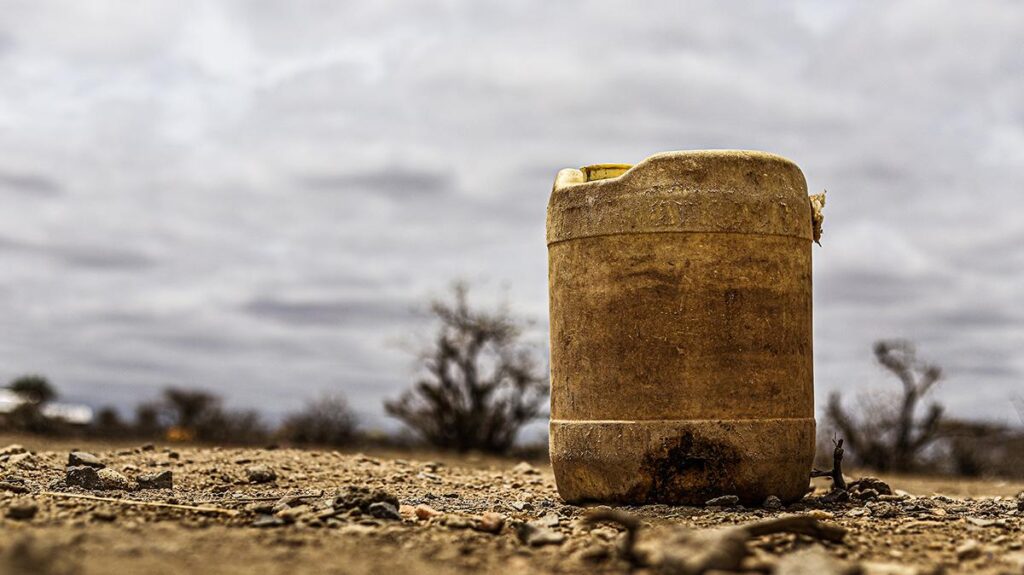
A land where water has dried up

2. Poor infrastructure

in many villages:

  • No water systems
  • Relying on unstable sources
  • Lack of long-term sustainable projects

3. Remoteness of water sources

Residents in some areas travel long distances every day to get water, which affects:

  • Education
  • Health
  • Daily production
A drop of water equals a life

4. Water pollution

Even when water is available, it may be unusable due to contamination, causing serious illnesses.


⚠️ The real issue is not the “lack of water”… but the “method of implementation”

Many well projects fail not because of the location, but because of:

  • Poor site selection
  • Lack of geological studies
  • Unprofessional execution
  • Lack of documentation and follow-up

This is where the importance of choosing a specialized and reliable implementer comes into play.


🛠️ Our solutions in implementing water wells

At our organization, we offer well implementation services based on Quality, Accuracy, and Transparency From start to delivery.

💧 1. Professional site study before implementation

We analyze the site to ensure the best possible drilling point is selected based on technical criteria.


⚙️ 2. High-quality engineering execution

We use thoughtful implementation methods to ensure:

  • Well efficiency
  • Continuity of operation
  • Minimize future failures

📸 3. Full project documentation

Each project is clearly documented:

  • Before execution
  • During work
  • After delivery

So the customer is fully informed every step of the way.


🔍 4. Full transparency in all phases of the wells

We believe that the customer has a right to know:

  • Where to execute
  • How it works
  • What are the actual results of the project

📊 5. Measurable and trackable projects

We focus on delivering projects that can be clearly tracked and evaluated, not just undocumented implementation.


Because we don’t offer “just drilling a well”, we offer a complete solution that includes:

  • ✔ Accurate engineering study
  • ✔ Professional execution
  • ✔ Full project documentation
  • ✔ Transparency at every step
  • ✔ Quality that ensures well longevity

👈 The goal is to deliver a real project that can be relied upon for many years.


If you’re looking for:

  • Reliable professional execution
  • Full project documentation
  • Real results on the ground
  • A clear and transparent implementer

👈 We’re ready to help you from the planning stage to full delivery.

Alharbi International Contracting Corporation builds a life

📩 Get in touch with us now for implementation details, available areas and project options.

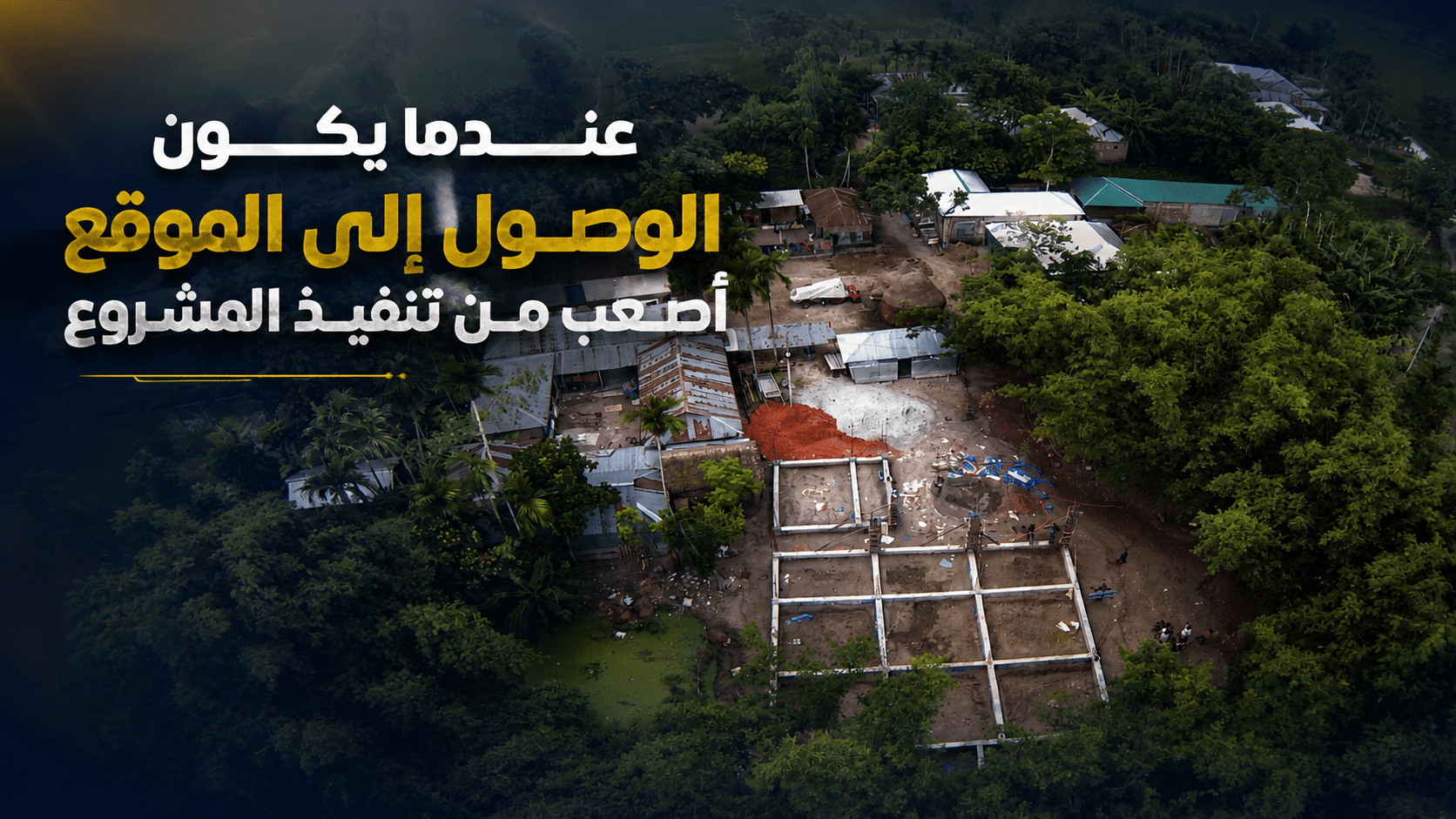
Building a mosque at the lowest cost in Africa 2026

Building a mosque at the lowest cost in Africa presented:

Implementing religious and community facilities (such as mosques) on the African continent is an engineering and logistical challenge that requires deep expertise in resource management. Financiers and clients are always looking for the lowest possible construction cost without compromising on structural durability and lifespan of the building. With the economic outlook for 2026 and rising freight and material costs, cost optimization in construction contracting is imperative.

This article provides a comprehensive analytical guide to 5 key strategies for reducing costs and achieving the construction of a mosque at the lowest possible cost, while adhering to engineering quality standards, from the perspective of the International Contracting Corporation (Al Harbi Contracting ), which specializes in projects in Africa and Asia.

I: Cost rationalization concepts in development contracting

Going low-cost doesn’t mean poor quality, it means efficient use of resources and value engineering.

1. Target keywords:

  • Religious Construction Contracting
  • Lowest Implementation Cost in Africa 2026
  • Analyzing the cost of building a mosque

2. Criteria for a successful economic project:

  • Structural Focus: Directing the majority of the budget toward foundations and load-bearing walls to ensure the building’s durability for decades, and minimizing spending on decorative details.
  • Life-Cycle Cost Optimization: The goal is to deliver a building whose future maintenance cost is the lowest, making it more economically efficient for the owner.
  • Local Sourcing: Using materials that are available on-site to minimize logistics and international shipping costs.

II: 5 engineering strategies to cut construction costs in 2026

Al Harbi Contracting adopts a rigorous engineering methodology to reduce costs across these axes:

Strategy 1: Simplified and standardized architectural design

Complex designs (large domes, knots, curves) increase the cost of implementation for several reasons:

  • Increased Man-Hours: Requires specialized labor and more time to execute molds and wrenches.
  • Waste of material: Non-right angles increase the loss of cut material.
  • Engineering solution: Use rectangular or square designs with simple flat or pitched roofs, which minimizes material loss and speeds up the construction process.

Strategy 2: Optimize the use of cheap local materials

To achieve the lowest implementation cost, local materials must be efficiently integrated into the structure:

  • Regional brick: The use of locally made bricks or blocks (fired clay bricks) significantly reduces the costs of transporting cement and reinforced concrete to remote construction sites.
  • Alternatives to concrete roofs: In many African and Asian regions, lightweight metal structures or insulated panels (zinc) can be used as an alternative to a heavy and expensive concrete roof, while ensuring that thermal insulation is addressed.
  • Local specialized labor: Relying on teams from the target region reduces the accommodation and transportation costs for outside labor, lowering the value of contracts.

Strategy 3: Vertical integration of infrastructure facilities

To achieve efficiency in facility construction contracting, ancillary facilities (such as wells and restrooms) should be treated as integrated units with the main project:

  • Reduced logistics costs: The transportation of heavy equipment (well drilling machines, construction equipment) is consolidated into a single schedule, significantly saving on separate transportation costs for the equipment.
  • Standardized design: Designs for water and ablution facilities should be simple and connected directly to the main facility to minimize the cost of external drainage lines and extensions.

Strategy 4: Continuous Supply Chain Audit (2026 forecast)

To maintain the lowest implementation cost in 2026, organizations must manage financial risk:

  • Bulk procurement contracts: Signing bulk purchase contracts for basic materials (rebar, cement) early to stabilize prices before they are expected to rise.
  • Review of transportation: Shift from expensive and slow road transportation in some areas to cheaper and more efficient means of transportation (if possible), or ship materials in bulk to the site.

Strategy 5: Functional rather than luxurious finishes

Finishes do not affect the durability of the building, and their cost can be significantly reduced:

  • Flooring: Replace high-cost tiles and ceramic tiles with polished concrete floors or a smooth, functional cement substrate.
  • Paints: Use functional, weather-resistant interior and exterior paints instead of fancy insulation and finishing materials.

Third: Experience and documentation as a critical element in contracts (Alharbi Contracting Corporation)

A contractor’s experience in documenting work phases and project delivery is a critical element, especially for organizations looking to build a mosque at the lowest cost with guaranteed completion.

1. Ensure professional documentation:

To enhance the transparency required in international contracts, Al Harbi Contracting provides full documentation:

  • GPS coordinates: Provides the client with location coordinates to enable geo-following.
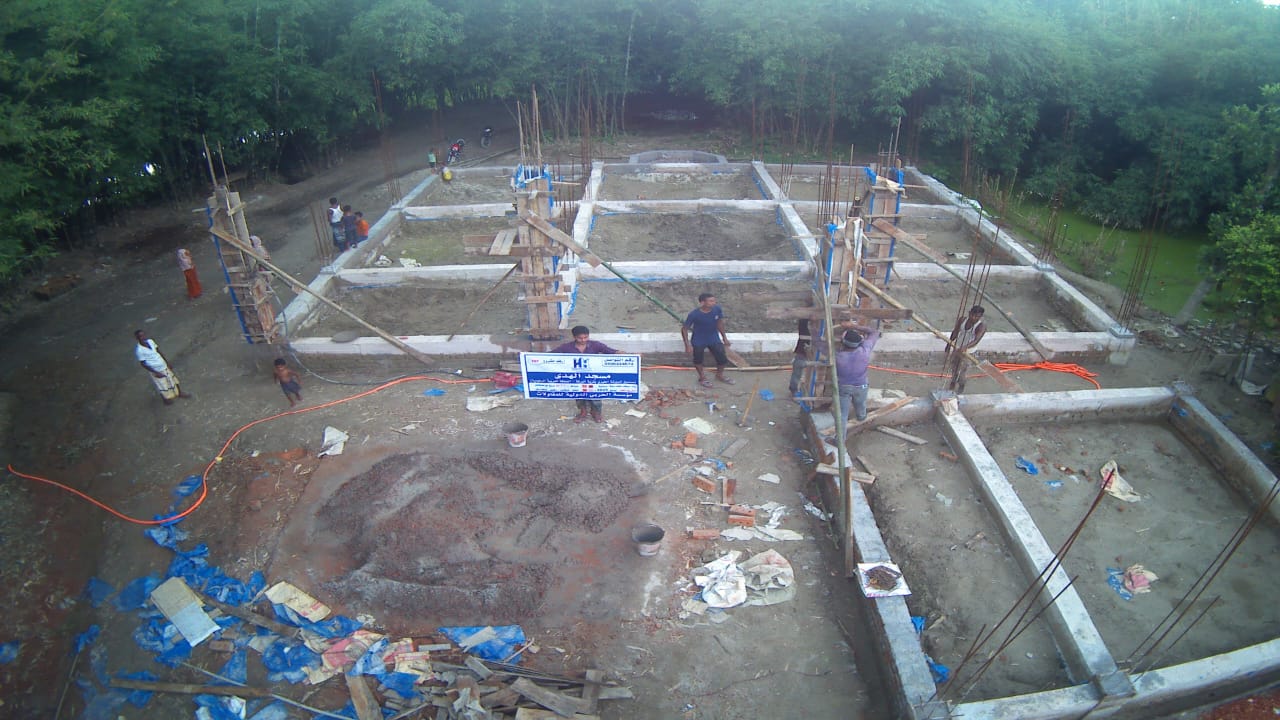
  • Documenting the stages of completion: Record photos and videos of all stages of construction (foundations, structure, finishing) to ensure that the execution is in accordance with the agreed specifications.

2. Continuous engineering follow-up (Al-Harbi Contracting Advantage):

To emphasize the quality of the project implemented at the lowest cost, theGeneral Manager of the Foundation, Mr. Hassan Al-Harbi, ensures continuous supervision and follow-up for projects implemented in Africa and Asia, reflecting the Foundation’s responsibility for the long-term durability of the project, a rare added value in development contracting.

Engineering efficiency leads to savings

Achieving a cost-effective religious facility in Africa 2026 is the product of careful engineering planning, not indiscriminate austerity. Funding institutions should select contractors with experience in implementing the above-mentioned rationalization strategies, while ensuring full transparency in documentation.

With experience in Jeddah and workplaces in Africa and Asia, Al Harbi Contracting offers engineering contract models that ensure the highest possible cost efficiency for its clients. Contact us to review engineering costs for your next project.

Why choose Alharbi Foundation for your next project? Quality, trust and experience in project implementation

When considering a construction project, digging a well, building a mosque or school abroad, choosing the right partner is the most important factor to ensure success.
Here comes the role of Al-Harbi Foundation, which over the years of field work has become a symbol of quality and credibility in the implementation of projects inside and outside Saudi Arabia.

In this article, we’ll explore why you should choose Alharbi for your next project, and what sets it apart from other construction companies.

First: Years of experience in project implementation

Al Harbi Foundation has long experience in implementing construction projects in various environments – from remote villages in Africa to vibrant cities within the Kingdom.
This accumulated experience gives it the ability to deal with field challenges and provide practical solutions that suit the nature of each project.

💡 Experience is not just about duration, it’s about results. Every project at Alharbi tells a new success story.

Secondly: Execution quality exceeds expectations

The organization pays close attention to quality standards at all stages of the work – from site study to final delivery.
It uses high-quality building materials, and trained engineering and technical teamsoversee the implementation, to ensure that the project remains robust and sustainable for many years.

🏗️ Our projects don’t end with delivery, but follow-up and maintenance begins afterward to ensure continued success.

III: Widespread spread inside and outside the Kingdom

Al-Harbi Foundation operates on a local and international scale, having implemented several projects in Saudi Arabia, Africa, and Asia
This wide reach reflects the organization’s ability to manage projects across different environments and cultures, while adhering to the same quality standards everywhere.

IV: Trusted Partnerships and Beneficial Communities

The Al Harbi Foundation does not work in isolation from the community, but builds permanent partnerships with government agencies and local and international charities.
with the aim of achieving real and sustainable development in the areas targeted by its projects.

🌱 We believe that real work changes lives, not just builds.

Fifth: Specialization in vital projects (wells, schools, mosques)

One of the organization’s main areas of work:

  • Drilling artesian and shallow wells in remote villages
  • Building schools to support education in impoverished areas
  • Building Mosques to Serve Muslim Communities
  • Implementation of shelter and infrastructure projects

Each of these areas is managed by a specialized team, ensuring proper execution at the lowest cost and highest quality possible.

Sixth: Punctuality and transparency

One of the most important features of Al Harbi Foundation is the commitment to the agreed upon time.
Every project is subject to a clear time plan and careful follow-up from the engineering department, while providing periodic reports to clients and partners.
This makes the Foundation a preferred choice for entities looking for reliability and discipline.

VII: Innovative solutions to reduce costs without compromising quality

The organization adopts an approach based on smart project management and modern construction and excavation techniques, which allows minimizing operational costs while maintaining the quality of execution.
This means that the client gets the best possible value for their investment.

VIII: A Clear Vision for Sustainable Development

Al-Harbi Foundation seeks to be part of a better future for communities, through projects that contribute to:

  • Improving quality of life
  • Support for education
  • Securing water sources
  • Promoting Community Engagement

IX: Testimonials and Real Achievements

The organization has achieved many certificates and awards in the field of contracting and projects, in addition to the trust of hundreds of clients for whom it has implemented successful projects at home and abroad.
These achievements represent practical evidence of its credibility and the quality of its work.

Tenth: Contact us today to discuss your next project

If you’re looking for a reliable company to execute your next project, Al Harbi is the perfect choice.
Contact us today for a free consultation about your project, and let us put the first stone on the road to success.

🌐 O ur website: Our store
📞 Contact: Via our Contact Us page

How to ensure water quality from the first well drilling? Alharbi’s guide

Drilling wells is not just a construction job; it is a strategic process that starts with studying the land and ends with pumping safe and usable water. At Al Harbi Contracting Company, we attach great importance to the quality of the water extracted, both within Saudi Arabia and in our international projects. In this article, we take you on a detailed tour of how we ensure water quality in wells from the first drilling of the well to the following years of use.

1. Choosing the right location to drill the well

Water quality starts with careful geolocation. At Al-Harbi, we use geological surveying techniques and soil stratigraphy analysis to locate places with clean and safe groundwater sources.

✅ This step ensures that the possibilities of contamination or saltwater interference are minimized.

2. Use of advanced drilling techniques

We have specialized equipment for deep and shallow drilling that ensures soil stability and prevents impurities from seeping into the well.

🛠️ Each stage of drilling is strictly monitored to ensure the safety of the water source.

3. Lining the well to protect it from contamination

We use rust- and corrosion-resistant liner pipes that are installed in ways that prevent any external contaminants from entering the water. We also consider installing pre-filters if necessary.

4. Water testing after drilling

After completing the drilling and lining of the well, we perform a comprehensive lab test of the water quality, including:

  • Measuring pH and alkalinity
  • Analyze the level of salts and minerals
  • Detect the presence of bacteria or organic impurities

5. Post-drilling services

We offer regular well maintenance packages that include:

  • Internal pipe cleaning
  • Periodic water quality checks
  • Install purification systems if needed

6. Our successful projects inside and outside the Kingdom

Al-Harbi has implemented dozens of well projects in Saudi Arabia and abroad, applying the same rigorous quality standards to every project.

Conclusion

Ensuring water quality in wells starts from the first moment of drilling. Al Harbi puts its expertise and modern technologies at the service of customers to ensure they receive clean, safe, and sustainable water.

💧 Thinking of drilling a well? Contact us now for a professional consultation and a customized implementation plan for your project.

Masajed Construction in Africa

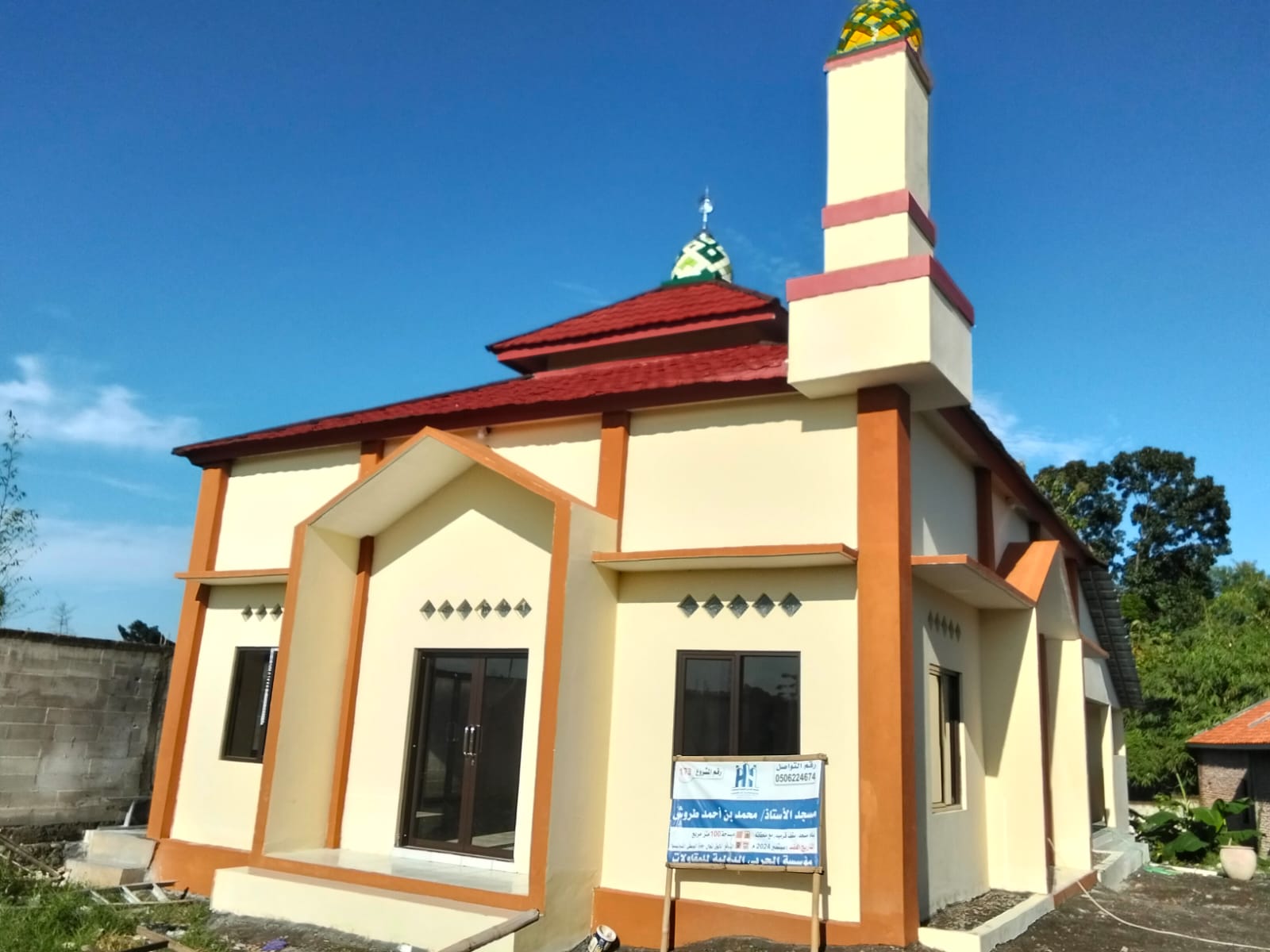
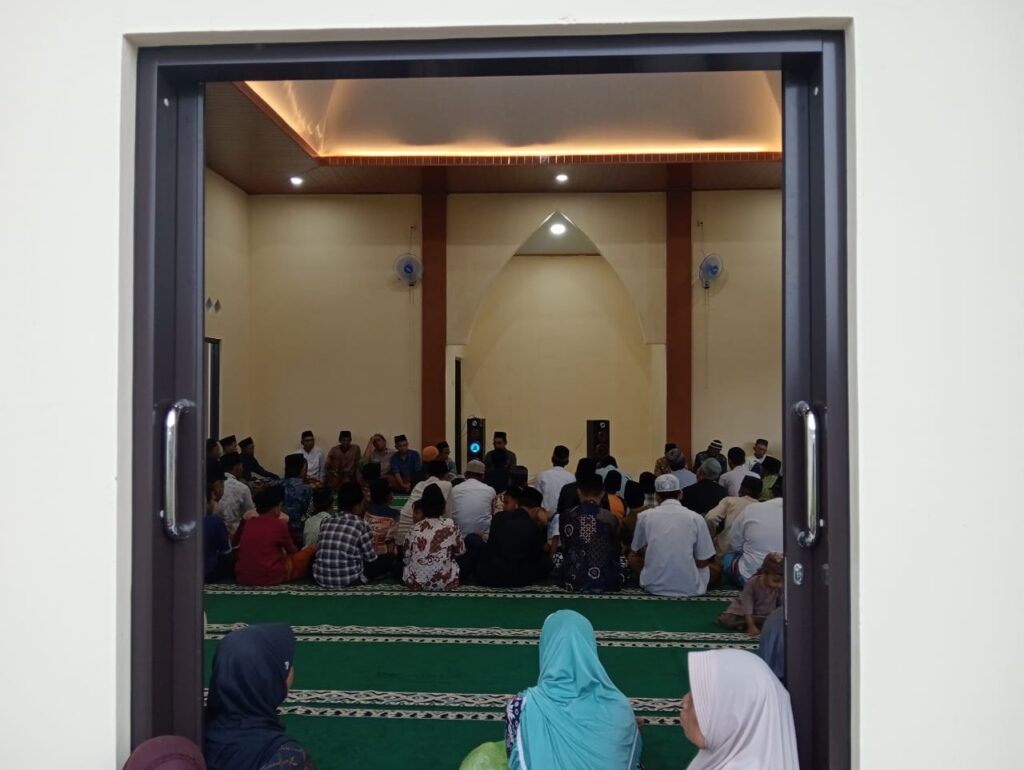
Building Masajed in Africa serves as a reflection of cultural diversity and communal identity for Muslim communities. These structures integrate local materials and architectural styles while fulfilling spiritual, educational, and social roles. The construction process requires careful planning, community involvement, and financial planning, thereby fostering long-term growth and unity within the community.

Building Schools in Africa

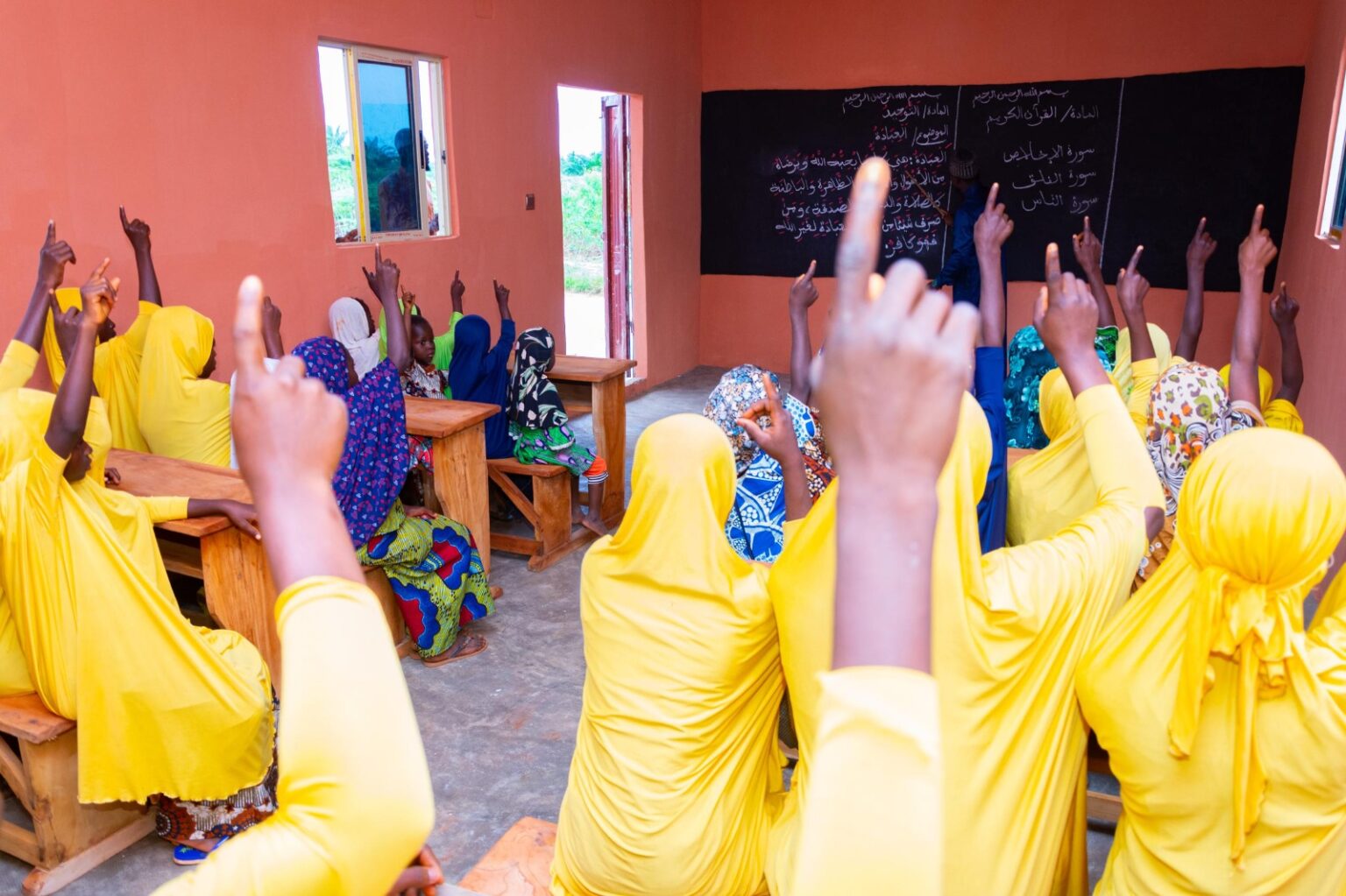
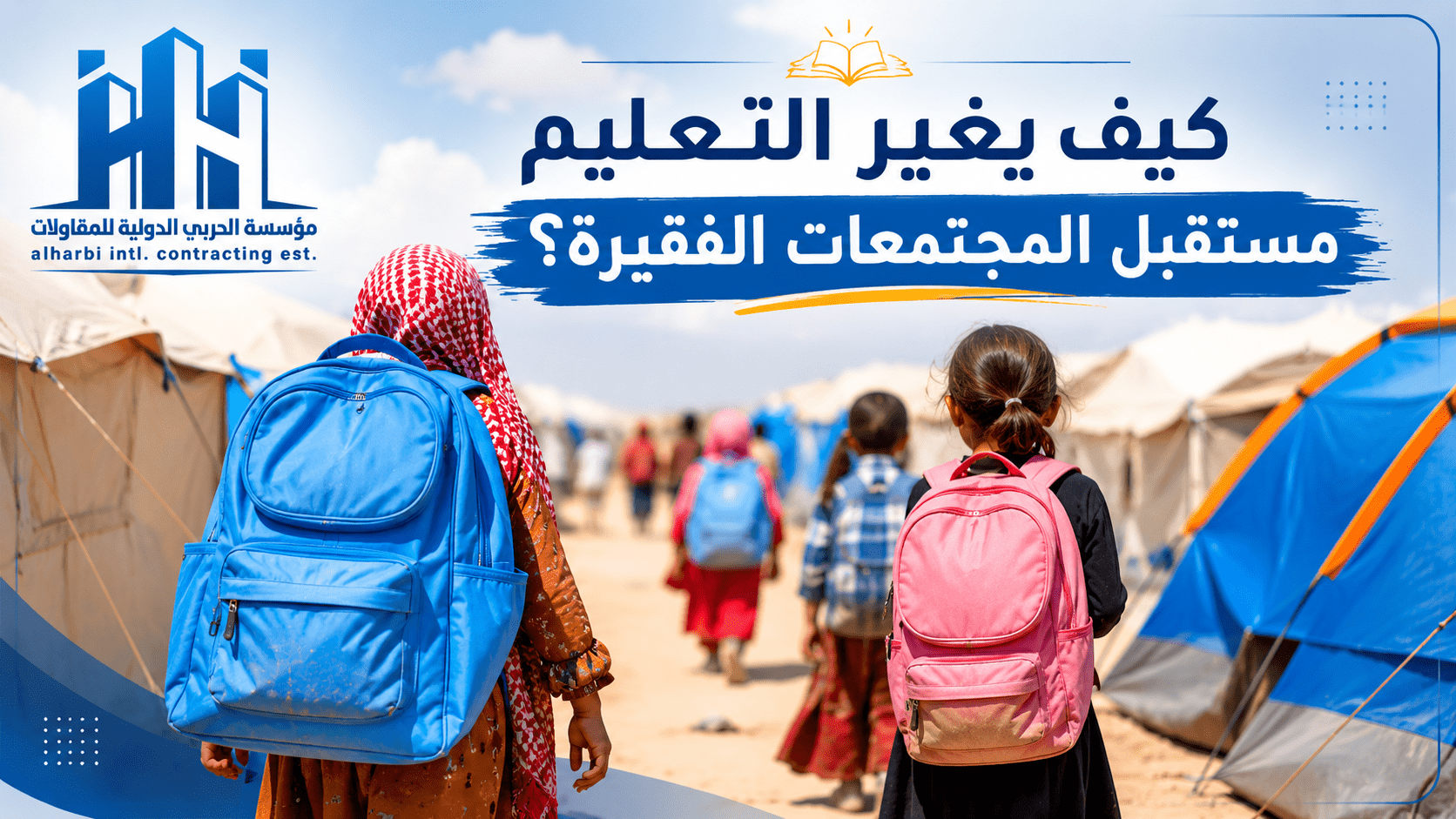
Building Schools in Africa: A Crucial Step Toward Education and Development

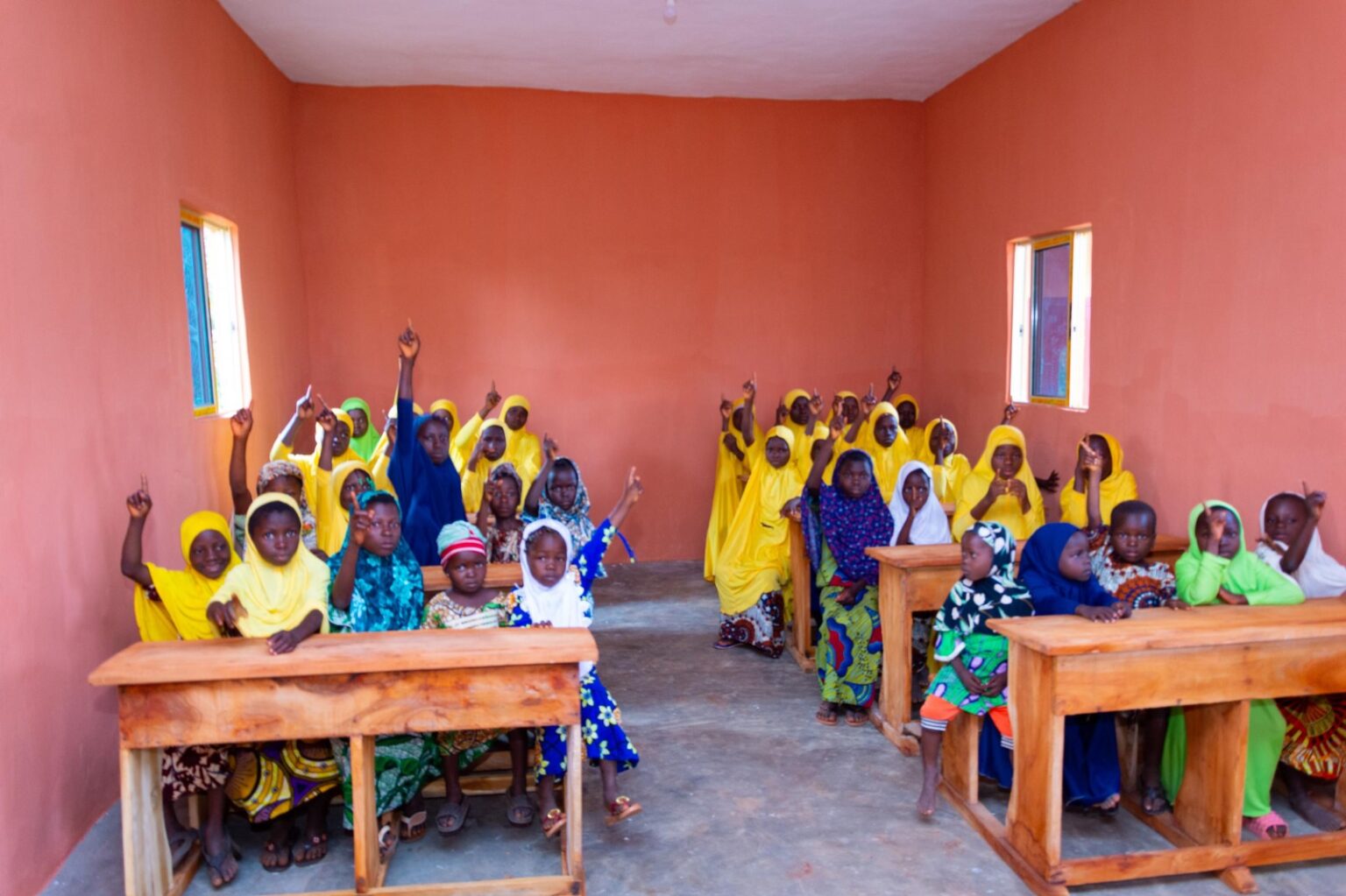
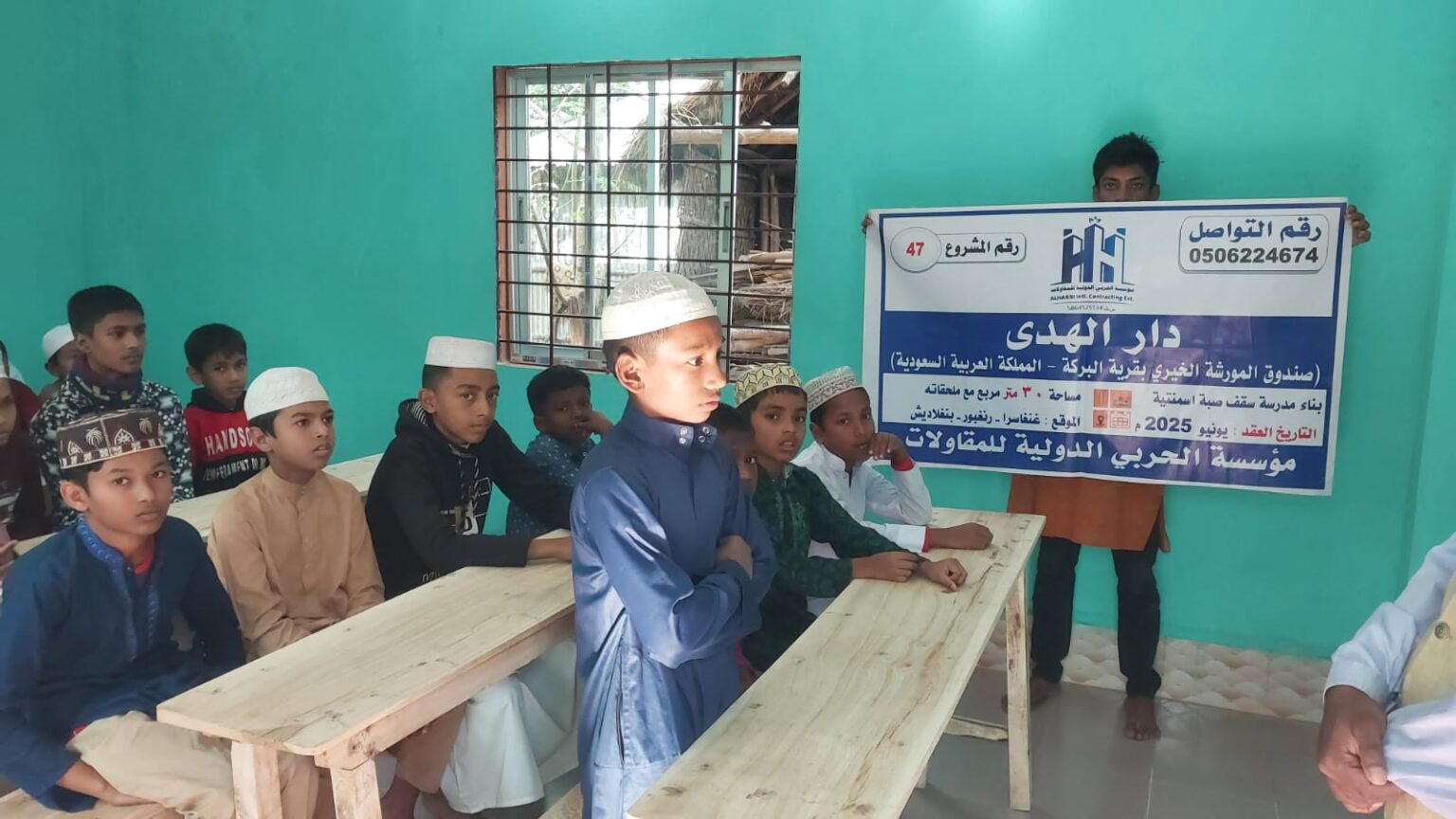
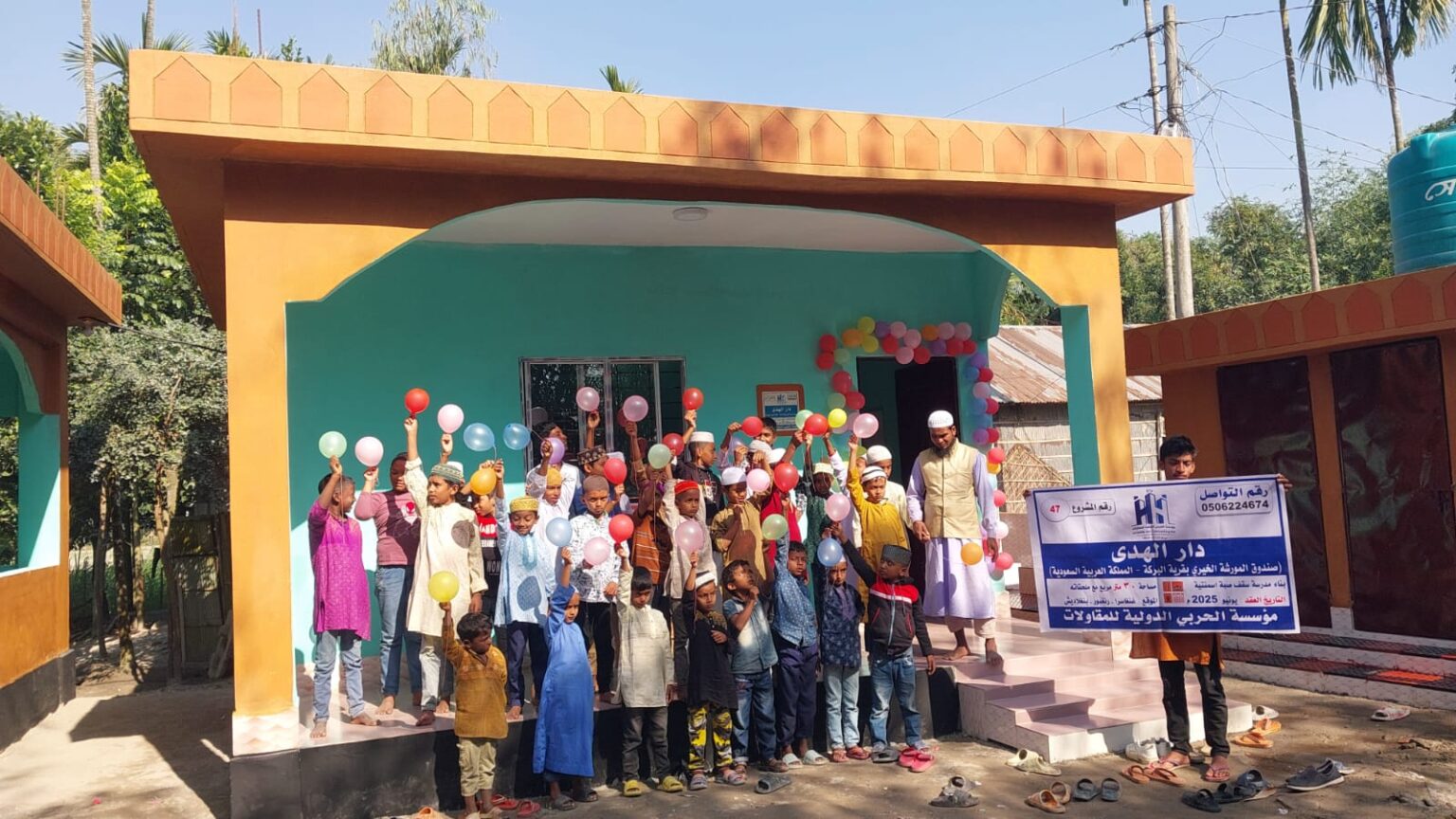
Africa faces significant challenges in providing access to education and adequate educational infrastructure. Building schools in Africa is essential to creating learning opportunities for children in remote areas, reducing illiteracy rates, and promoting educational equity. Schools also play a vital role in fostering economic and social development across the continent. Collaboration between local and international organizations is critical to supporting school construction and improving the quality of education in Africa.

Key Elements of Building Schools in Africa

Building schools involves several components to ensure a safe and suitable learning environment for students and teachers. Here are the main elements:

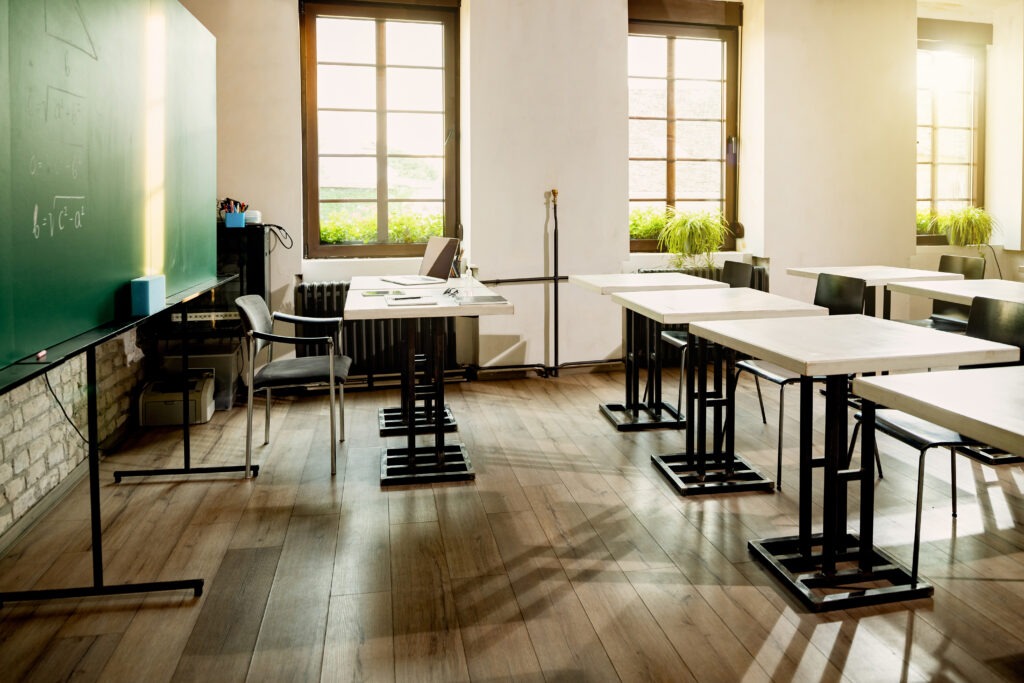
  1. Main Building: The main structure includes classrooms, lecture halls, and administrative offices. The design should promote natural light and airflow while being resistant to weather conditions. Insulation and waterproofing systems are essential.
  2. Classrooms: Classrooms are the heart of the school. They should be spacious, comfortable, and equipped with appropriate furniture like desks, chairs, and whiteboards. Modern technology, such as smart boards, can enhance the learning experience.
  3. Library: A well-equipped library is crucial for students to access reference materials, develop reading skills, and conduct research. It should include quiet study areas and digital resources.
  4. Laboratories: Science labs are necessary for practical experiments in subjects like chemistry, physics, and biology. They must be equipped with the right tools and designed for safety and proper ventilation.
  5. Sports Facilities: Schools should have sports facilities like gyms, playgrounds, and swimming pools to promote physical activity and overall health.
  6. Outdoor Spaces: Safe and spacious outdoor areas are essential for recreation, social interaction, and extracurricular activities.
  7. Support Facilities: These include printing rooms, kitchens, bathrooms, storage areas, meeting rooms, and administrative offices. They ensure smooth school operations and provide essential services.
  8. Information and Communication Technology (ICT): Schools should be equipped with modern technology like Wi-Fi, computers, interactive screens, and audiovisual equipment to enhance learning and communication.
  9. Safety and Security: Schools must have safety systems like fire alarms, emergency exits, and security measures to protect students and staff.

These elements ensure that schools meet modern educational needs and provide a conducive learning environment.

Importance of Building Schools in Africa

  1. Access to Education: Building schools in remote and underserved areas increases access to education, reducing illiteracy rates and providing learning opportunities for children and youth.
  2. Improving Education Quality: Modern schools with proper infrastructure, trained teachers, and educational resources enhance the quality of education and improve student outcomes.
  3. Promoting Equity and Inclusion: Schools help bridge the educational gap between genders and urban and rural areas, ensuring equal opportunities for all.
  4. Economic Development: Education develops skills and competencies, increasing employment opportunities and contributing to economic growth and innovation.
  5. Social Stability: Schools promote awareness, knowledge, and ethical values, fostering peaceful coexistence and understanding among communities.

Despite the importance of building schools, challenges like limited financial resources and inadequate infrastructure persist. Collaboration between governments, international organizations, and civil society is essential to support school construction and provide necessary funding and resources.

Requirements for Building Schools in Africa

Several conditions and standards must be met when building schools. While these may vary by country, here are some general requirements:

  1. Safety and Durability: School buildings must comply with recognized engineering standards, using high-quality materials to withstand local weather conditions like earthquakes, storms, and floods.
  2. Accessibility and Scalability: Schools should be accessible to all students, including those with disabilities. They should also have scalable designs to accommodate future growth.
  3. Classrooms and Facilities: Classrooms and facilities must be spacious, comfortable, and equipped with modern furniture and technology. Separate spaces for teachers, administration, libraries, labs, and sports are essential.
  4. Lighting and Ventilation: Schools need adequate natural and artificial lighting, along with proper ventilation to ensure a healthy environment.
  5. Safety Measures: Schools must have fire alarms, emergency exits, fire extinguishers, and protocols for handling accidents and emergencies.
  6. Outdoor Spaces: Safe outdoor areas for recreation and physical activities are necessary.
  7. Hygiene Facilities: Clean and adequate bathrooms and hygiene facilities are crucial for maintaining a high standard of cleanliness.
  8. Compliance with Regulations: School construction must adhere to local and national building, safety, health, and environmental regulations.

Contractors, engineers, teachers, and school administrators must work together to meet these requirements and provide a safe, conducive learning environment.

Cost of Building Schools in Africa

The cost of building a school in Africa varies significantly depending on factors like location, size, design, materials, labor, and infrastructure. Here’s a breakdown of potential costs:

  1. Land Acquisition: The cost of purchasing or leasing land for the school.
  2. Construction Materials: Expenses for high-quality, durable materials.
  3. Labor Costs: Wages for skilled and unskilled workers.
  4. Infrastructure Development: Costs for utilities like water, electricity, and sewage systems.
  5. Furniture and Equipment: Expenses for desks, chairs, whiteboards, and technology.
  6. Safety and Security Systems: Installation of fire alarms, emergency exits, and security measures.
  7. Administrative and Supervision Costs: Fees for project management and oversight.

On average, building a school in Africa can cost between 50,000and500,000, depending on the scale and specifications of the project. For accurate estimates, consult local contractors or project engineers.

Conclusion

Building schools in Africa is not just an investment in education but also in the continent’s future development, social stability, and economic growth. By addressing the challenges of access and quality, schools empower communities and create opportunities for generations to come. Strong commitment from governments, organizations, and individuals is essential to ensure sustainable improvements in education and quality of life across Africa.

Search for products

Back to Top
Product has been added to your cart
Compare (0)