
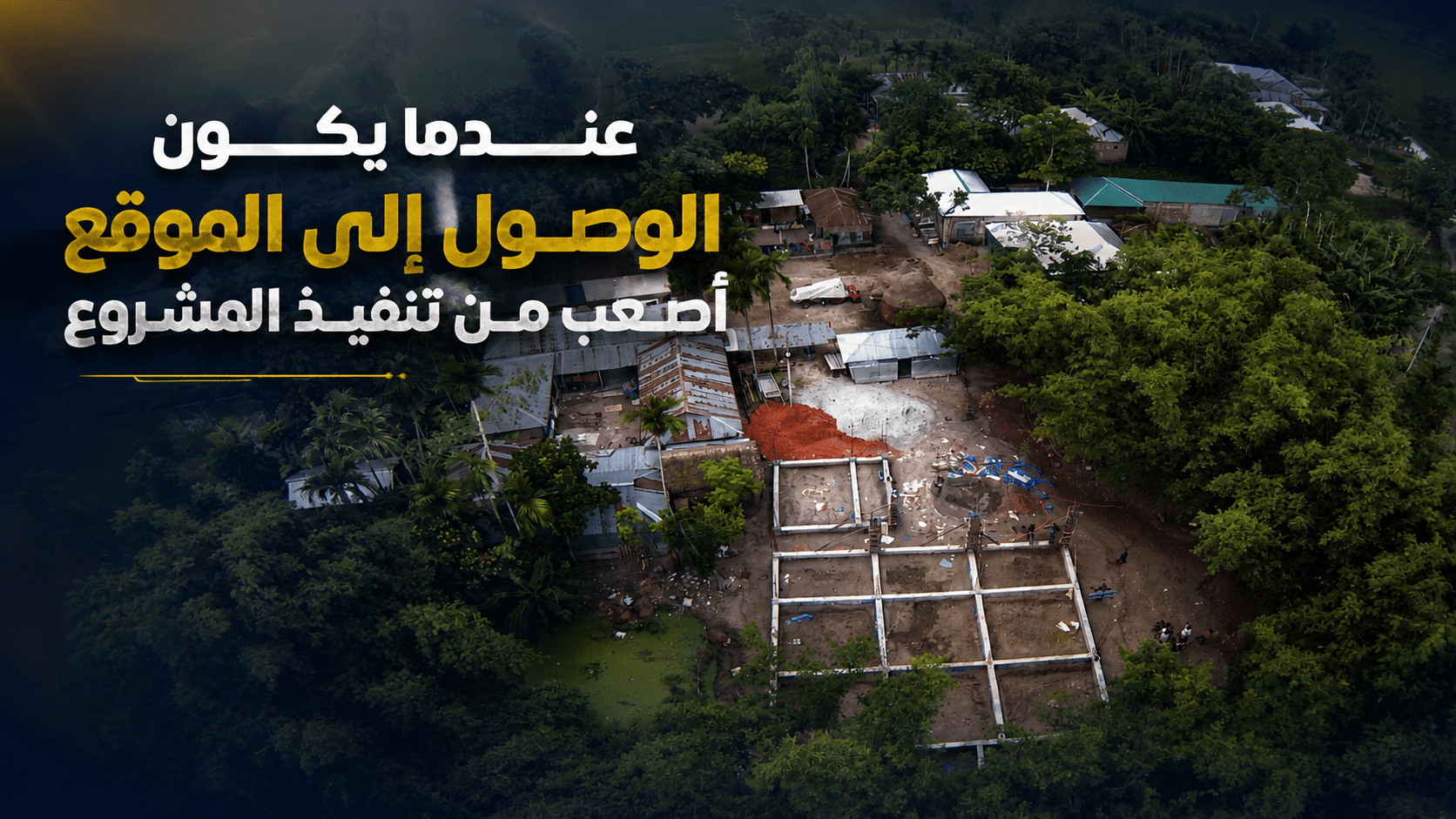
When Getting to the Site Is Harder Than Carrying Out the Project
When Getting to the Site Is Harder Than Carrying Out the Project
In some projectsin remote areas, the challenges don’t begin when the equipment arrives at the job site, nor when drilling or construction begins—they begin much earlier.
At first, the site may be far from the nearest city, the road leading to it may be unpaved, the terrain may be difficult, and weather conditions may be unstable. Heavy equipment may need to travel a long distance to reach the location where the project will begin.
Here, implementing projects in remote areas becomes a completely different challenge.
A project that seems simple on paper may require careful planning on the ground. Every step—from arriving at the site to transporting equipment and materials—needs to be planned in advance.
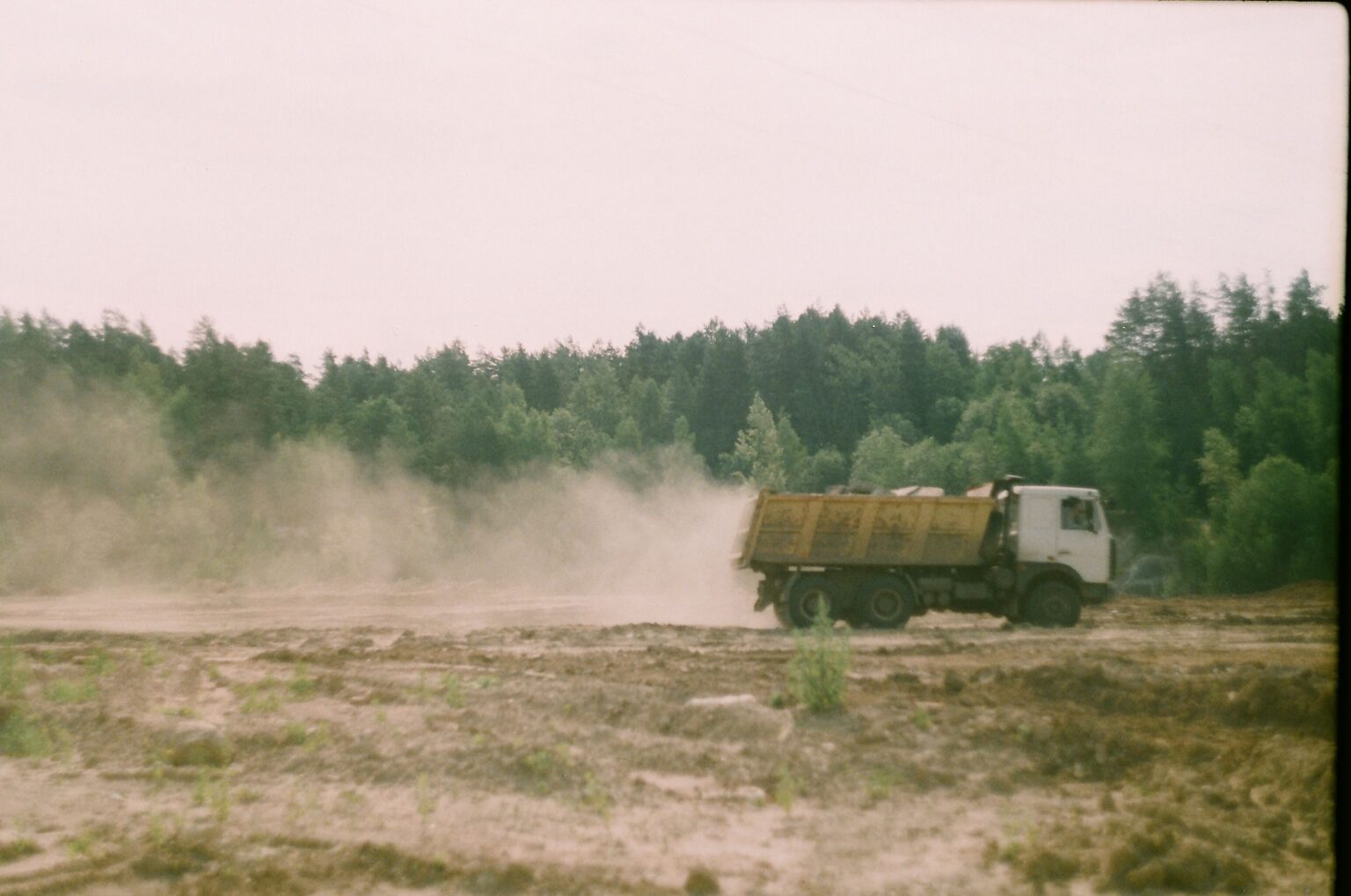
When the Challenge Begins Before the Equipment Arrives
Imagine a project site located far from urban areas.
There are no wide, well-maintained roads, and there are no nearby services that can be easily relied upon. Under these circumstances, it’s simply not possible to send in the equipment and start work.
First, you need to know how to get there.
Is the road suitable for trucks?
Can the drilling equipment reach the site?
Are there any points where the equipment’s route can be changed if an obstacle appears?
Can construction materials, fuel, and supplies be transported safely?
These questions may seem simple, but they can determine the project’s success from the very beginning.
For this reason, implementing projects in remote areas begins with planning how to reach the site, not just with determining how to carry out the project itself.Why is accessing certain websites such a real challenge?
The nature of the sites varies from project to project.
Some sites are located in open desert areas, while others are in mountainous regions or areas with rugged terrain. Some sites are far from major roads, which makes transporting equipment more complicated.
Among the most significant challenges that may be encountered are:
The site’s distance from cities
The greater the distance between the project site and the nearest city, the more planning is required for the transportation of equipment and materials.
It may not be easy to return to the city to get a spare part or a missing material. Therefore, you should assess your needs in advance and gather everything you need before starting work.
Unpaved Roads
Off-road terrain may be suitable for some vehicles, but it is not necessarily suitable for heavy equipment.
The process of reaching a destination may require selecting appropriate vehicles or determining safer routes, taking into account the terrain, distance, and load.
Rugged terrain
There may be hills, sandy areas, or narrow roads that make it more difficult to move equipment.
In some cases, choosing the right path is an essential part of the project plan.
Weather Conditions
The weather is also an important factor.
High temperatures, rainfall, or the presence of sand and dust are all factors that can affect movement and work on site.
Therefore, project planning cannot be separated from the nature of the site and the conditions there.
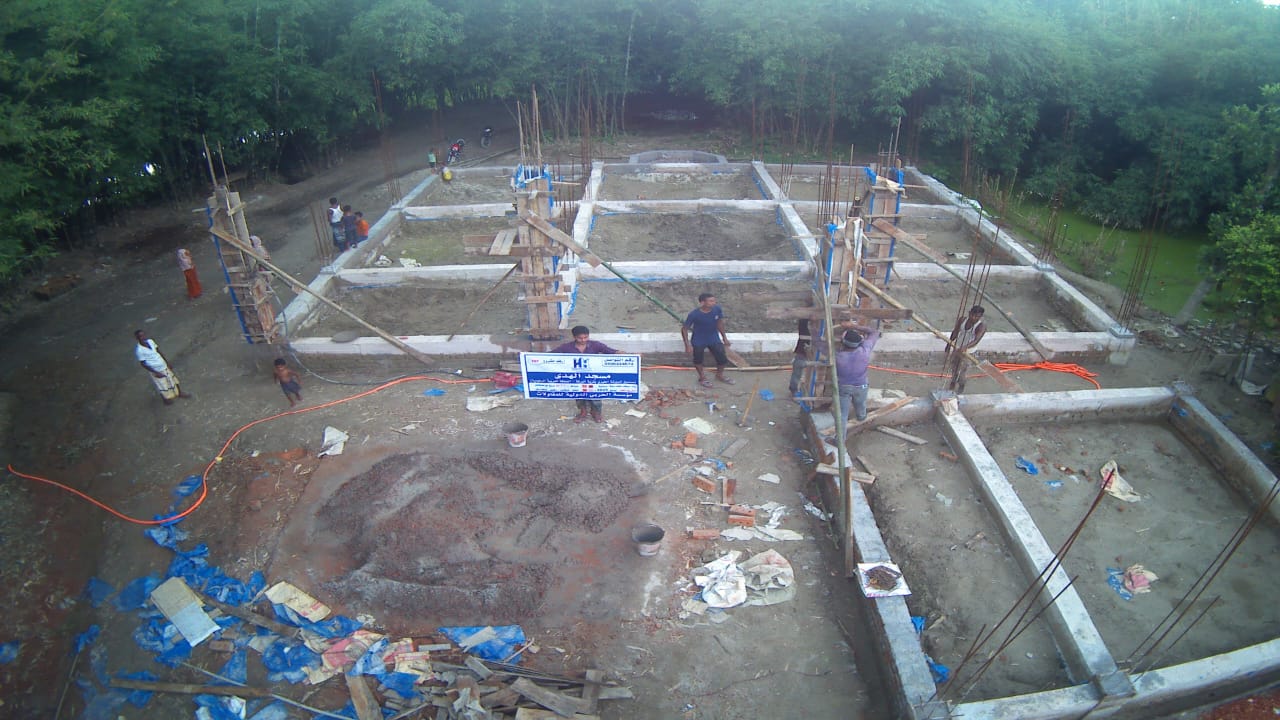
The road to the site is part of the project
One of the mistakes that can be made when planning any project is to view the road as merely a means of getting there.
In remote locations, the road is part of the project itself.
If the equipment cannot be easily accessed, the start of work may be delayed. If the materials do not arrive on time, certain stages of the project may be put on hold.
That is why the route must be surveyed before the equipment is shipped.
Consideration is given to the type of vehicles required, the size of the equipment, the nature of the cargo, the distance, and the best route to the site.
Alternative scenarios should also be developed to address unforeseen circumstances.
Good planning doesn’t mean that everything will go as expected; rather, it means being prepared when things don’t go according to the original plan.Transporting Heavy Equipment to Remote Areas
Drilling and construction projects require different types of equipment depending on the nature of the project.
This equipment may include excavators, trucks, cranes, generators, and other auxiliary equipment.
But having the right equipment alone is not enough.
The most important question is: How will this equipment get to the site?
The distance may be long, and the road may not be suitable for certain types of equipment. Therefore, the transport operation needs to be planned in advance.
It is also important to consider the timing of the equipment’s arrival, coordinate its entry onto the site, and ensure there is adequate space for movement and work.
This is where experience with projects in remote areasbecomes crucial, because work on-site begins even before the first piece of equipment is put into operation.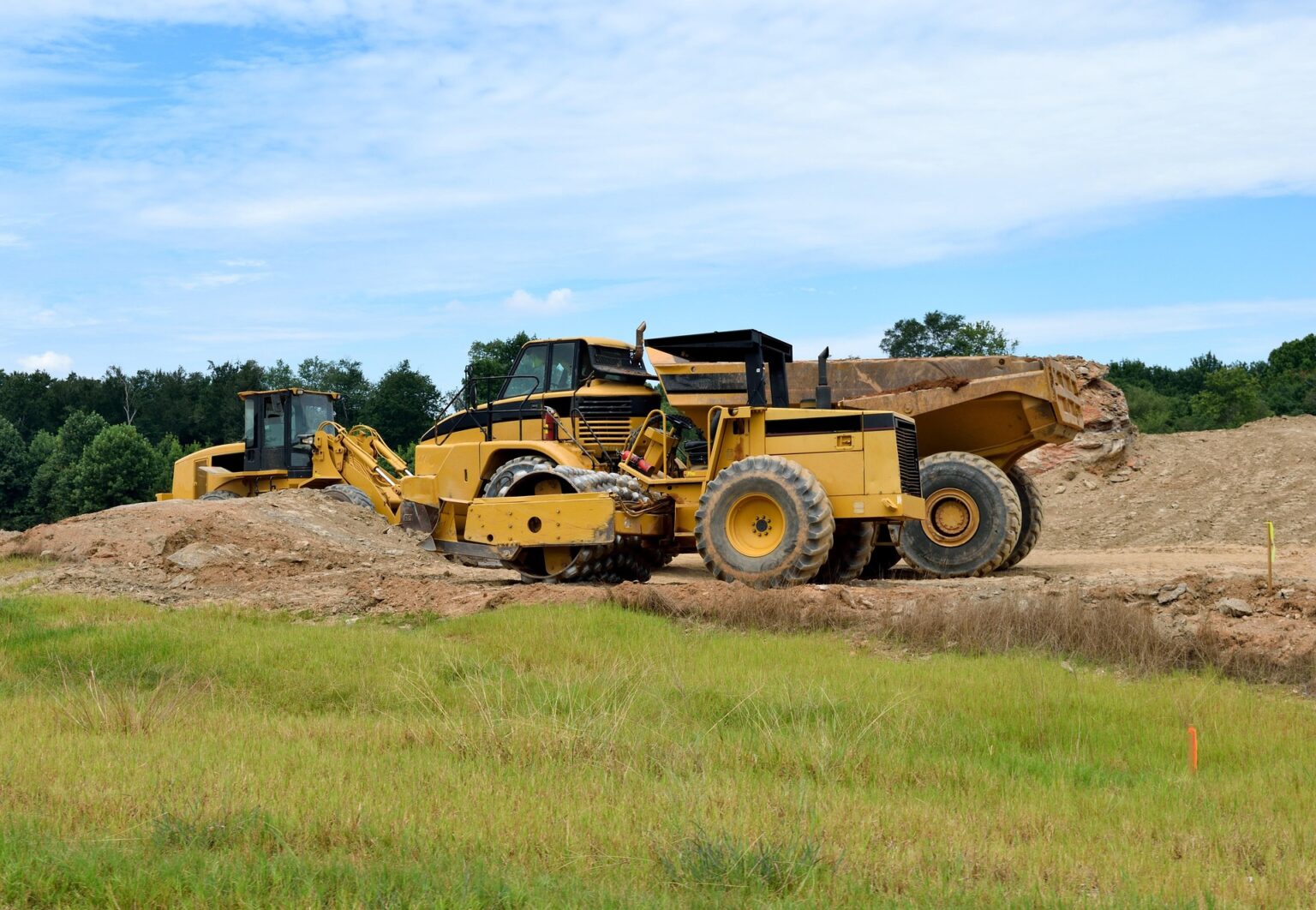
What happens when the roads aren’t suitable?
Not every website can be accessed in the same way.
If the road is unsuitable, it may be necessary to find an alternative route, prepare a section of the road, or use modes of transportation appropriate for the nature of the area.
In some projects, gaining access to the site itself may be a step that requires preparation and planning before the main project begins.
This shows that addressing problems in remote locations depends on the ability to adjust the plan as needed.
Instead of waiting for problems to arise after the equipment arrives, they are anticipated in advance and appropriate solutions are developed.
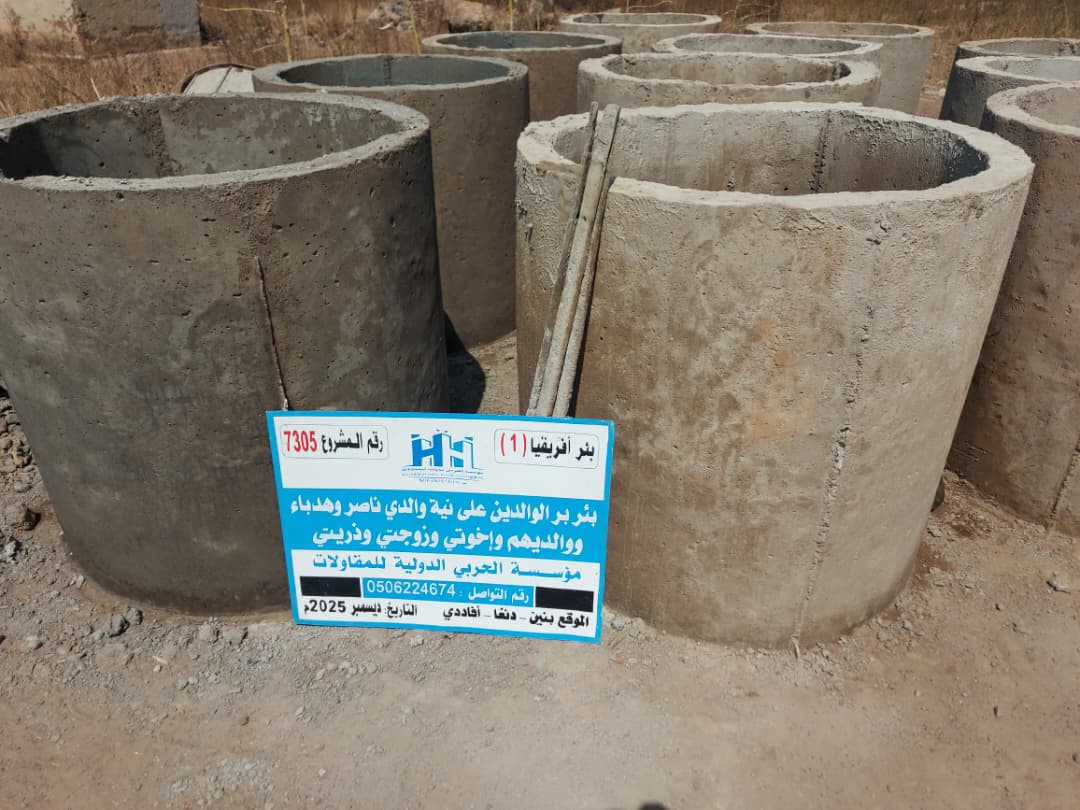
How is the site prepared before work begins?
After studying the route and arrival, the next step is to prepare the work site.
This is where we consider details that may seem minor but have a direct impact on the progress of the project.
Some of the most important things that need to be planned:
- Identify the entry and exit points for equipment.
- Selecting suitable areas for storing materials.
- Setting up equipment areas.
- Regulating vehicle traffic within the site.
- Providing the team with basic necessities.
- Ensure that the necessary equipment is available before beginning the work.
- Develop a plan for dealing with malfunctions or emergency needs.
All of this helps reduce unnecessary downtime during operations.
Every minute that equipment is idle due to a shortage of materials, a lack of spare parts, or operational difficulties can affect the project schedule.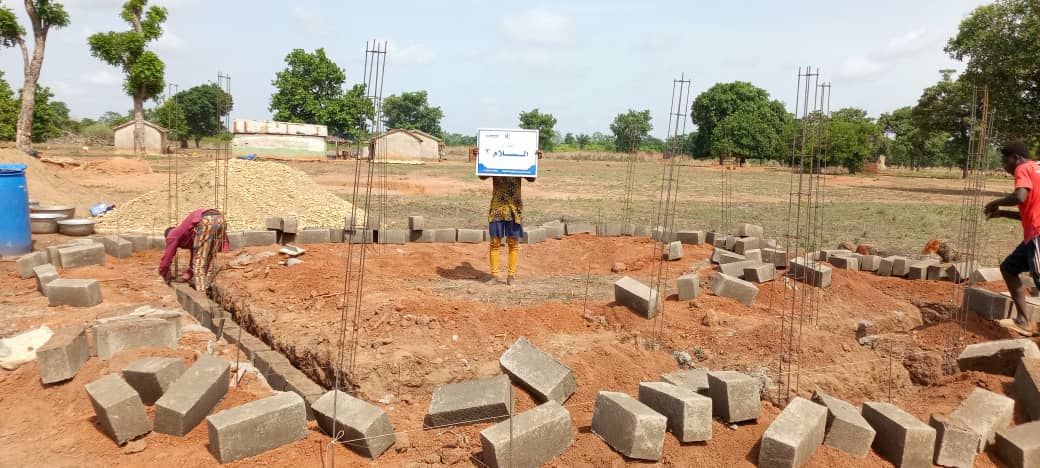
Weather and terrain… challenges that cannot be ignored
In remote areas, nature itself can be part of the challenge.
High temperatures may affect working hours and equipment operating conditions. Rain may change road and trail conditions. Sand and dust may affect movement, visibility, and certain types of equipment.
That is why planning must be realistic.
It is not appropriate to approach the project as if site conditions will always be ideal.
Rather, the nature of the region must be taken into account from the very beginning.
This is where the difference between theoretical planning and planning based on an understanding of the site becomes apparent.Why Do Projects in Remote Areas Require a Different Approach to Planning?
A project located within a city may benefit from the proximity of services, well-maintained roads, suppliers, and maintenance centers.
However, for a project in a remote area, these benefits may not be as readily available.
Therefore, the project requires a higher level of preparation.
The equipment must be ready, the materials must arrive on time, the transportation route must be carefully planned, and the basic requirements must be calculated.
Furthermore, any planning errors may take longer to resolve due to the remoteness of the site.
For this reason, the challenges of implementing projects in remote areas are not limited to construction work, but also include transportation, logistics, time, and resource management. When Getting There Is Harder Than Doing It
The team may arrive at the site after a long journey, only to discover that carrying out the project itself is easier than getting there.
And that’s no exaggeration.
At some sites, the most difficult task is getting the equipment and materials to the right location.
Once the site is prepared and the equipment arrives, the work phases can begin according to a clear plan.
Here we discover that the project’s success does not depend solely on the skills of the on-site workers, but rather begins with the decisions made before they even arrive.
Choose a route.
Identify the equipment.
Needs Assessment.
Site Preparation.
The nature of the place and the conditions there.
All of these steps form a single chain, and any weakness in one of its links could affect the rest of the project.
From Planning to Implementation… Every Step Requires Careful Consideration
When discussing the implementationof projects in remote areas,it is easy to focus on the actual construction or excavation process.
But the truth is that the project begins even earlier.
It starts with a site survey.
Then, assess its accessibility.
Then, identify the appropriate equipment.
Then, organize the transportation operations.
Then, prepare the site.
Only then do the implementation activities begin.
This type of project requires a comprehensive approach, because the success of one phase depends on the phases that preceded it.
If the equipment arrives on time, the materials are available, the site is prepared, and the road is passable, the work team can focus on the core task instead of dealing with problems that could have been anticipated in advance.Experience Makes All the Difference in Challenging Locations
When a location is remote or difficult to reach, experience is more than just a bonus.
Rather, it becomes an essential element of planning.
A company with experience in handling various sites knows that every project has its own unique circumstances.
There is no one-size-fits-all approach for all websites.
One site may require a different transportation plan, while another may require different equipment due to the nature of the terrain or weather conditions.
This is why it is important to examine each project individually and understand its needs before beginning implementation.
When the equipment finally arrives… that’s when the real work begins
After a long journey, the equipment arrives at the site.
Preparation begins.
The venue is being set up.
The materials are arriving.
The task force begins implementing the project.
At this point, some might think that the hardest part is over.
But the truth is that everything that happened before that moment was part of the plan.
The route that was chosen, the equipment that was provided, the materials that were transported, and the plan that was developed all contributed to reaching this stage.
And this is the essence of implementing projects in remote areas.
You should know that success doesn’t begin when you start up your first machine; it begins long before that.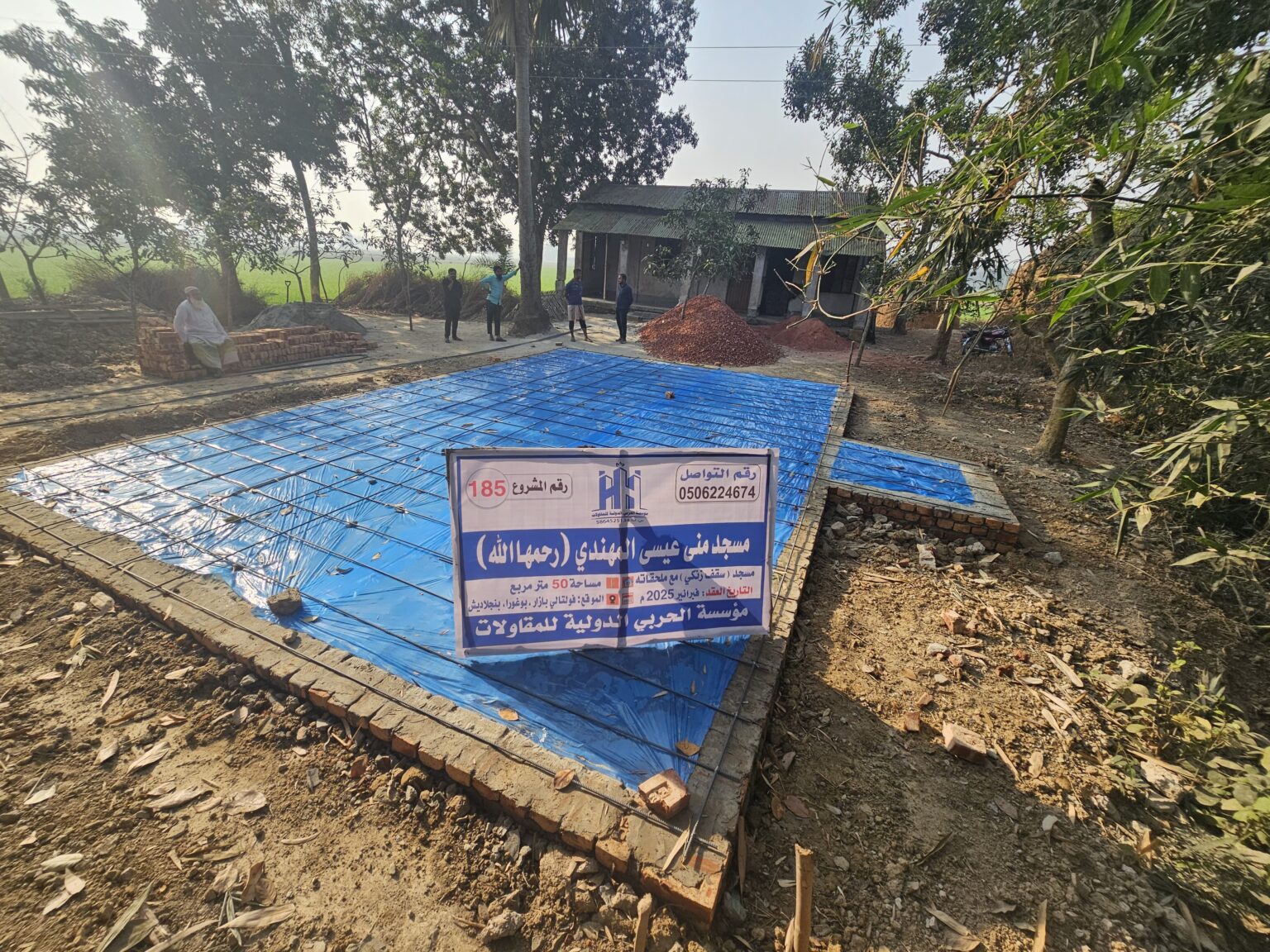
Summary
The project itself may be straightforward and involve clearly defined steps, but getting to the site may be the biggest challenge.
For this reason, projects in remote areas require a different approach to planning that takes into account roads, terrain, weather, equipment transport, material supply, and site preparation.
Every project begins with an idea, but turning that idea into reality requires preparation, experience, and the ability to adapt to different circumstances.
When getting to the site is more difficult than carrying out the project, the small details become important, and early planning becomes a key factor in the project’s success.
Ultimately, a successful project is not just one that is well executed; it is one for which every stage has been thoroughly prepared—from the very first road leading to the site… all the way to the final step of implementation.🎥 Watch the video
See the services offered by Al-Harbi International Contracting Company.


